The Hidden Benefits of Professional Pressure Washing Most Property Owners Overlook

When people think about pressure washing, they often imagine a quick way to remove dirt from driveways or brighten up exterior walls. While the visual transformation is undeniable, the real value of professional pressure washing extends far beyond appearances. Many property owners overlook how regular exterior cleaning contributes to long-term maintenance, structural protection, and even overall comfort. Professional pressure washing services combine technical knowledge, specialized equipment, and strategic cleaning techniques to deliver results that go deeper than a simple surface rinse. Gain more insights by visiting https://www.certifiedsoftwash.ca/.

pressure washing

Over time, outdoor surfaces naturally collect layers of grime, algae, mold, and environmental residue. These elements may seem harmless at first, but they gradually weaken materials and reduce the lifespan of exterior features. Professional pressure washing addresses these issues before they escalate, helping property owners avoid expensive repairs while maintaining a clean and welcoming environment. Understanding the hidden benefits behind this service reveals why it has become an essential part of modern property care.

Preserving Surfaces Before Damage Becomes Visible

One of the most overlooked advantages of professional pressure washing is its ability to protect surfaces before problems become obvious. Dirt and organic growth can trap moisture against siding, concrete, and wood, leading to gradual deterioration. By removing buildup early, pressure washing helps prevent long-term damage that might otherwise require costly restoration.

Professional technicians understand how different materials respond to water pressure and cleaning solutions. Rather than using a one-size-fits-all approach, they adjust techniques to suit each surface, ensuring effective cleaning without unnecessary wear. This level of precision makes a significant difference in preserving the structural integrity of exterior features.

Regular cleaning also reduces the likelihood of cracks, discoloration, and surface breakdown. Even durable materials benefit from periodic maintenance, as exposure to changing weather conditions can accelerate wear. By incorporating professional pressure washing into routine upkeep, property owners create a protective barrier against environmental stress.

Improving Health and Safety Through Exterior Cleaning

Another hidden benefit of pressure washing involves health and safety. Outdoor surfaces often develop slippery layers of algae or mildew, especially in shaded areas. These conditions can create hazards for anyone walking on pathways, decks, or entryways. Professional cleaning removes these contaminants, reducing the risk of slips and falls while improving overall safety.

In addition to preventing accidents, pressure washing contributes to a healthier outdoor environment. Mold spores and airborne particles can accumulate on surfaces and spread into nearby living areas. Removing these substances helps maintain cleaner air and reduces exposure to irritants that may affect comfort.

Professional services often include a careful inspection of problem areas, identifying spots where moisture collects or where organic growth thrives. Addressing these issues early prevents them from spreading and ensures that outdoor spaces remain safe and enjoyable year-round.

Enhancing Property Value Without Major Renovations

Many property owners assume that increasing property value requires extensive remodeling or expensive upgrades. However, professional pressure washing can dramatically improve the appearance of a property with minimal disruption. Clean surfaces create a fresh, well-maintained look that enhances curb appeal and leaves a positive impression.

When exterior elements such as siding, walkways, and fences appear clean and cared for, the entire property feels more inviting. This improvement is particularly valuable for those preparing to sell or lease a space, as first impressions often influence potential buyers or visitors. Even without structural changes, pressure washing can make an older property feel renewed.

Beyond aesthetics, maintaining clean surfaces signals responsible ownership. Buyers and visitors often associate a well-kept exterior with proper maintenance throughout the property. This perception can play a role in boosting confidence and overall appeal.

Extending the Lifespan of Exterior Materials

Replacing siding, decks, or concrete surfaces can be costly and time-consuming. Professional pressure washing helps extend the life of these materials by removing substances that cause gradual deterioration. Dirt and pollutants may seem minor, but over time, they can break down protective coatings and expose surfaces to damage.

Here are several ways professional pressure washing contributes to longevity:

  1. Prevents premature wear by eliminating abrasive debris that scratches or weakens surfaces.
  2. Reduces moisture retention by clearing away algae and organic growth that trap water.
  3. Maintains protective finishes by removing contaminants that degrade sealants and paint.
  4. Supports routine maintenance by revealing small issues before they become larger problems.

These benefits highlight why pressure washing is not just a cosmetic service but a practical investment in long-term property care. Regular cleaning helps preserve materials so they remain functional and visually appealing for years.

Saving Time and Effort With Professional Expertise

While some property owners attempt to handle exterior cleaning themselves, professional pressure washing offers advantages that go beyond convenience. Specialized equipment allows technicians to clean large areas efficiently, reaching high or difficult spots that may be challenging to access with standard tools. This efficiency saves time and ensures consistent results across different surfaces.

Professional knowledge also reduces the risk of accidental damage. Using incorrect pressure levels or cleaning solutions can harm delicate materials, strip paint, or leave uneven marks. Experienced technicians understand how to balance pressure and technique to achieve optimal results without compromising the surface.

Additionally, hiring professionals eliminates the need for property owners to manage heavy equipment or handle potentially hazardous cleaning agents. This peace of mind allows individuals to focus on other priorities while still benefiting from a thoroughly cleaned exterior.

Environmental Considerations and Responsible Cleaning Practices

Modern pressure washing services often incorporate environmentally conscious methods designed to minimize water waste and reduce the impact of cleaning chemicals. Instead of relying solely on high pressure, professionals may use targeted techniques such as soft washing, which combines lower pressure with specialized solutions to break down contaminants effectively.

Responsible cleaning practices not only protect surrounding landscapes but also ensure that runoff is managed appropriately. Many technicians take steps to prevent debris and chemicals from entering drainage systems or affecting nearby vegetation. These environmentally aware approaches reflect a growing commitment within the industry to balance cleanliness with sustainability.

Property owners who choose professional services benefit from these advancements, knowing that their exterior cleaning routine aligns with modern environmental standards. This combination of effectiveness and responsibility adds another layer of value to professional pressure washing.

Preparing Surfaces for Future Projects

Another hidden advantage of pressure washing lies in its role as a preparatory step for other improvements. Whether planning to repaint, reseal, or renovate exterior areas, starting with a clean surface ensures better results. Dirt and residue can prevent coatings from adhering properly, leading to uneven finishes or premature peeling.

Professional pressure washing creates a clean foundation that enhances the effectiveness of future upgrades. By removing contaminants beforehand, property owners can extend the lifespan of new paint, stains, or sealants. This proactive approach not only improves appearance but also protects investments in additional improvements.

Preparing surfaces through professional cleaning also reveals underlying conditions that might otherwise go unnoticed. Small cracks, loose materials, or areas of wear become more visible once grime is removed, allowing for timely repairs and more accurate planning.

Building a Routine That Supports Long-Term Maintenance

One of the biggest misconceptions about pressure washing is that it should only be done when surfaces look dirty. In reality, regular maintenance plays a key role in preserving the condition of a property. Establishing a consistent cleaning schedule helps prevent buildup from reaching levels that require intensive treatment.

A well-planned routine might include:

  1. Annual exterior washing to maintain siding and prevent discoloration.
  2. Seasonal cleaning of high-traffic areas such as walkways and patios.
  3. Periodic inspection of shaded zones where algae or mold may develop more quickly.

By integrating these practices into a broader maintenance strategy, property owners can keep their spaces looking fresh while minimizing long-term repair costs. Professional guidance helps determine the best schedule based on environmental conditions and material types.

The Emotional Impact of a Clean Exterior

Beyond practical benefits, professional pressure washing can significantly influence how a space feels. Clean surroundings create a sense of pride and comfort, making outdoor areas more enjoyable for everyday use. Brightened surfaces and refreshed textures contribute to a welcoming atmosphere that encourages relaxation and social interaction.

The psychological effect of a clean environment should not be underestimated. When exterior spaces look well cared for, they often inspire property owners to maintain other areas more consistently. This ripple effect can lead to improved organization, enhanced curb appeal, and a stronger connection to the space.

Professional pressure washing offers far more than a temporary visual upgrade. From protecting materials and improving safety to enhancing property value and supporting long-term maintenance, its hidden benefits make it an essential service for modern property care. By addressing buildup before it causes damage, pressure washing helps preserve the beauty and functionality of exterior spaces without the need for major renovations.

Understanding the broader impact of professional pressure washing allows property owners to see it as a proactive investment rather than a reactive solution. With the right techniques and consistent upkeep, this service can transform not only how a property looks but also how it performs over time. Embracing these hidden advantages ensures that exterior spaces remain durable, inviting, and ready to withstand the challenges of everyday use.

Types of Metal Fabrication Services Explained

83MetalCraft LLC

83MetalCraft LLC services help create products and parts for a wide range of industries. They use various metalworking techniques like shearing, punching, forming, cutting, welding, and more.

Industries like mining require heavy machinery parts, conveyor systems, and structural supports that can endure abrasive operational environments. Military applications call for components that meet stringent standards and complex designs.

Design & Engineering

Metal fabrication is an industry-wide process that shapes everything from small electronics housings to large construction structures. The best metal fabricators are able to work with a wide variety of materials, and they use a variety of methods to create customized products. The most common metal fabrication processes include cutting, forming, welding, and machining.

Cutting is the first step in the fabrication process, and it involves separating raw materials into smaller pieces. This can be done using mechanical means like sawing or shearing, or thermal methods such as laser or plasma cutting. Cutting can also include other operations like sanding and grinding to prepare the metal for further processing.

The next step in the process is bending, which uses a press brake or similar machine to bend metal into specific angles and shapes. This is a vital part of the process for creating structural metal parts, and it’s often used in construction projects, automobile production, and aerospace engineering. This method of fabrication can also be used to create curved shapes for decorative purposes.

Another critical part of the metal fabrication process is welding, which joins metal components together using heat from a torch or other sources. This is a necessary part of most fabrication projects, and it’s important to choose a metal fabricator with experience in all aspects of the welding process.

Some fabricators specialize in one particular type of fabrication, such as CNC machining. Others offer a full range of services that cover all aspects of the fabrication process. In general, it’s more cost-efficient to work with a full-service fabricator, and this can reduce the amount of time it takes for a project to get from concept to completion.

Machining

A metal fabrication company that offers machining services provides the final step in turning raw materials into actual products and structures. It is considered a value-added process because it involves cutting, bending and assembling of the actual metal product or structure rather than merely creating shop drawings and blueprints to intended measurements.

During the machining phase, technicians use various metalworking tools to cut and shape raw material into the desired design. Depending on the type of metal, these tools can include punching, drawing, milling, turning and drilling. Punching is a process that uses a hardened metal punch to make holes in a sheet or rolled metal, often with a die that cuts out a slug of scrap material from the hole’s perimeter.

The drawing and milling phases of machining create patterns in the metal’s surface. They can be decorative or functional, such as a pattern in the metal that reflects light differently to illuminate a building’s exterior. Drawing utilizes a tensile force to pull liquid metal into a tapered die. A machinist can also use a milling tool to cut the metal radially using a circular bit. Turning turns a piece of metal on a lathe, allowing a technician to rotate the metal and cut it axially with a tool as it spins. The turning process can also be used to bore holes in a piece of metal, which can be either circular or non-circular.

When choosing a metal fabricator, be sure to ask if they provide machining services and what types of machines they have available. A company with a large inventory of metal and the right machinery is better equipped to handle a broad range of projects quickly and efficiently. They can then offer a wider selection of options for customers, from simple cutting to intricate machining and finishing techniques.

Forming & Bending

The forming and bending stages of metal fabrication are essential for transforming raw materials into specific designs and structures. This type of metal working can be used in a variety of industries, from automotive to construction. The bending process is particularly effective for pliable materials like aluminum, steel, and copper. For example, a tube of raw material can be run through a series of rollers to bend it into an attractive shape before being welded to create solid tubing.

There are a number of different operations that fall under the forming and bending category, including casting, forging, punching, drawing, and turning. These processes can be applied to a wide range of materials, from steel and aluminum to stainless steel and copper. They can also be performed on a variety of thicknesses, which allows for an even greater range of design options and functionalities.

Fabricators can also use a lathe to shape a piece of metal symmetrically around an axis, which is especially useful for creating round parts or components. Lathes can come in a wide variety of sizes, from small ones that are ideal for making watches to massive machines designed to shape crankshafts.

Forming and bending are both critical to metal fabrication, but they require a unique set of skills and equipment to perform effectively. Experienced fabricators will understand the requirements of each type of metal and how it responds to forming and bending, as well as the appropriate tools and machinery to use. They will also take into account the expected longevity, durability, and performance of the finished product when calculating costs for tooling, raw materials, and production runs. This information can help them develop a cost-efficient manufacturing plan that will deliver a high-quality result within the desired timeframe and budget.

Cutting

When it comes to cutting metal, fabricators remove excess material in order to shape the base of a product or structure. This can be done through a variety of methods, depending on the desired outcome of the project and the raw materials at hand. Some of these include punching, which uses a tool that works like scissors to cut the metal in a pre-designed pattern. Drawing, another method, creates raised portions in the base metal – this can also be done using a milling machine and produces non-circular perforations. Shearing is used to make longer cuts on sheet metal. This process combines two tools, one that makes the cut and a second that ejects the slug or scrap.

Other cutting processes include milling, which utilizes rotating cutting tools to remove material from the workpiece until it achieves its desired form. This can be performed manually or with a CNC machine. Other machining techniques are climbing milling, angular milling, face milling, and form milling.

The most common raw materials used for fabrication are steel and aluminum, though other base metals can be utilized as well. These can be purchased in sheet or plate form, bars, rods, or wires. Some types of metals, such as precious ones — gold and silver, for example — are only available in smaller wire or bar forms.

The most common applications for metal fabrication involve construction and machinery. However, the industry has also created structures that are useful in landscaping design. For instance, metal lattices can be used to support plants and create structures that look beautiful. Other examples of landscaping applications for metal fabrication are fences and railings, which both help keep the landscape safe from human traffic.

Welding

Welding is the process of joining parts together by melting them, and then solidifying them as they cool. Typically, it’s used to join metals, but it can also be used to join other materials such as wood or plastics. The heat generated during welding can come from a gas flame, an electrical arc, or even through explosion friction. There are many different welding techniques, but they all produce intense heat that can melt metals and other materials. In welding, a filler metal is often added to help create the joint. This is sometimes known as the ‘filler’ or ‘consumable’ and can be of a different composition than the parent material. Welding can be performed on both open air and in confined spaces such as machines or containers.

There are various types of welding processes, including resistance welding, arc welding, gas welding and electric arc welding. The type of welding technique that’s used depends on the job and the environment in which it’s being carried out. For example, a welding company will use resistance welding when working on large structural components that need to be joined together, but arc welding is better suited for smaller jobs in outdoor environments.

Welding services can also include fusion welding, which is typically used for thin sections of steel and other metals that require good surface finish. This technique can be very accurate and is capable of producing welds that are extremely strong and durable. Welding can also be used to remove imperfections such as dents and scratches from metals. There are also low temperature metal fusing techniques such as brazing and soldering, but they tend to be more expensive than welding and less suitable for high-stress applications.

How to Combine Cabinet Painting With Other Kitchen Updates

Whether you’re looking for rustic charm or modern elegance, mixing wood and painted cabinets offers plenty of design possibilities. Learn how to combine these two elements in your kitchen with innovative techniques. Before you start painting, scuff sand the surfaces to improve paint adhesion. This will remove any sheen and make it easier to get a smooth finish.

Cabinet

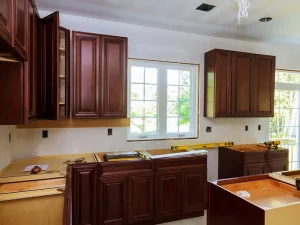
There are few upgrades that make as much impact on your home’s aesthetic as fresh cabinet painting. However, achieving that sleek, flawless finish requires more than just a can of paint and some elbow grease. Professional cabinet painters know the proper preparation, painting techniques, and high-quality products to achieve long-lasting beauty that elevates both your kitchen and your home’s value. Modesto Cabinet Painters instantly modernize your space without the expense and disruption of a full kitchen renovation. In fact, this high-ROI improvement is one of the most popular updates for both bathrooms and kitchens. With a budget-friendly approach and customizable options, it’s easy to see why.

Hiring a professional for your cabinet painting ensures a job well done and a quality finish that resists wear and tear. Experienced cabinet painters understand how different types of material react to different coatings, and they use the right primers and paints for each application. They also know the best color combinations to match your design goals while enhancing lighting, countertop tone, and flooring.

Cabinet painters use commercial-grade spray systems and dustless sanding equipment to eliminate the roller marks, drips, and uneven texture you might expect from a DIY project. They apply each coat with precision to ensure an even, flawless finish. They’ll also provide an array of clear coat options that add a layer of protection against moisture and stains, prolonging the life of your new finish.

Repainting your cabinets yourself can quickly become a labor-intensive, time-consuming, and frustrating project. Not to mention, if you don’t prepare the surface properly or choose the right type of paint for your materials, your cabinet surfaces can chip and peel prematurely. Hiring a professional to tackle the project can save you weeks of work and frustration, allowing you to enjoy your newly refreshed kitchen sooner.

While the allure of brand-new cabinets might be tempting, it’s important to remember that purchasing and installing new cabinetry can require substantial investments in remodeling costs and modifications to plumbing and electrical systems. By contrast, repainting your existing cabinets is a relatively affordable solution that’s simple to accomplish and offers a dramatic transformation.

Paint the Hardware

A fresh coat of paint can make an enormous impact on the look and feel of your kitchen. It can help to brighten up a dark room, create a more contemporary style, or even make your cabinets look bigger. Cabinet painting is one of the most cost-effective and efficient ways to update your kitchen. In addition to being more budget friendly than replacing your cabinets, repainting can be completed in much less time than refacing or replacement.

Refacing is a more expensive option, but it can provide a completely new look without the hassle of installing and removing existing cabinets. Refacing also offers a more durable finish than painted cabinets, which can help to prolong the life of your cabinets.

Combining wood and painted cabinets is an innovative design choice that can offer a wide range of benefits. In this blog post, we will explore 4 of the best techniques for seamlessly blending wood and painted cabinets in your kitchen. We will cover everything from establishing contrast through textures and colors to accentuating excellence through focal points and highlights. So whether you’re looking to achieve a modern rustic style or a classic contemporary aesthetic, read on for tips and inspiration!

The key to a successful combined wood and painted cabinet design is finding the right balance of warmth and coolness. By pairing warm wood tones with cooler painted finishes, you can create a visually appealing and captivating aesthetic that is both classic and contemporary. In this blog post, we will uncover the essential steps to achieving this balance, so you can transform your kitchen with this innovative design technique.

If you’re considering updating your kitchen, it’s important to consider all of the different options available. Choosing the right option will depend on your personal taste and needs, as well as your budget. Ultimately, the decision to stain or paint your cabinets will come down to how you want your kitchen to look and what kind of functionality you need. By taking the time to consider your options and find the solution that’s right for you, you can be sure to end up with a beautiful and functional kitchen that you’ll love for years to come!

Paint the Doors

If your cabinets are in good condition and only need a fresh coat of paint to look brand new, cabinet painting is an affordable kitchen remodeling option that provides dramatic results for a fraction of the cost of replacing them. However, it’s important to consider the longevity of your new paint job before jumping in headfirst and attempting DIY cabinet repainting. It takes time and skill to properly prepare cabinet surfaces for painting, which is a labor-intensive project involving cleaning, lightly sanding, repair, taping and more. Professionals use primers specially formulated for cabinet surfaces to ensure proper adhesion and durability. DIY repainting may be cheaper, but your painted cabinets will chip, crack and scuff much sooner than professionally-refaced ones would.

If you are considering a major kitchen upgrade, cabinet painting can be the perfect bridge to a full remodel or refacing job. It’s a simple improvement that can make your space more functional and visually appealing, while adding value to your home when you decide to sell. It’s also a great way to tide you over between bigger renovations or updates, especially if you haven’t decided on a focal point for your space yet.

Merging wood and painted cabinets is a design opportunity that offers a wealth of creative possibilities. The contrasting elements create a visually captivating impact that instantly grabs attention. Wood cabinets add warmth and natural beauty while painted cabinets offer versatility and a clean, modern aesthetic. By merging the two finishes, you can create a truly unique and captivating kitchen design that stands out from the crowd.

One of the biggest challenges for homeowners when deciding to paint their cabinets is choosing the best color. You have many options, from classic neutrals like white and beige to bolder hues that can bring a sense of drama to the room. The key is to choose a color that complements the wood grain and adds depth and visual appeal to your kitchen. It’s also important to consider the overall look you’re going for in your space, and how the color you choose will coordinate with your appliances, countertops and other décor.

Paint the Drawers

Painting the drawers is a great way to refresh your kitchen’s appearance. By changing the color or even incorporating a fun pattern, you can create a whole new look for your kitchen without the cost of full cabinet replacement. Plus, high-gloss finishes are easy to clean and resistant to fingerprints and scuffing.

Before you consider a DIY paint job, remember that repainting cabinets can be time-consuming and challenging. You’ll have to remove and label everything, sand, tape, prime, and then paint – it takes a lot of work to get the job done right. Also, you’ll need to make sure you have the right paint designed for durability. If you’re not up for the challenge or want a longer-term solution, refacing or replacing is a better option.

Wood cabinets exude warmth and natural beauty, while painted finishes offer versatility and a modern aesthetic. Combining these two elements offers countless design possibilities to create a captivating kitchen. We’ll explore the many ways this technique can be utilized, from contrasting colors and textures to accenting unique details in your kitchen.

Another option is refacing your existing cabinetry, which involves applying a new veneer to the cabinet boxes and replacing the doors and drawer fronts. This is a less labor-intensive process than painting, but it doesn’t allow for structural changes or customizations. And it can still be expensive if you need to replace the entire cabinet box.

One final option is adding pull-out shelves in your base cabinets. This simple upgrade allows you to access items in the back of your cabinets that are often hard to reach. And it gives you the chance to maximize storage without sacrificing floor space.

Updating your cabinets is a great way to boost your kitchen’s value and improve its functionality. But it’s important to choose a professional who knows how to handle the project safely and effectively. Otherwise, you could end up spending more than you originally planned.

How to Reduce the Junk Removal Cost

Junk Removal

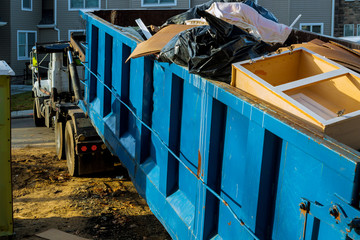
Junk removal is much more than just throwing things in a dumpster. It involves coordinating with donation centers, recycling companies, and landfills to ensure that items get reused as much as possible. Some junk haulers charge by the truckload, while others have set prices for different items. The price of a couch may be $50, while a piano might cost $200 or more.

Size

Junk Removal Scottsdale is a service that helps people get rid of large items, such as appliances, furniture, and yard waste. It is a great option for people who are moving, renovating, or cleaning out an old garage or basement. However, it can be expensive. Fortunately, there are ways to save money on junk removal services. By understanding the factors that determine the cost of junk removal, you can budget for the service and plan accordingly.

Most junk removal companies charge by the amount of space your items take up in their truck. This is typically a minimum of one-eighth truckload, which is about 13-17 cubic yards. This is a reasonable estimate for a typical household clean-out, but it will be more for a commercial junk removal job. Some junk removal services also offer per-item prices. These prices can range from $50 to $400, depending on the type of item.

The most common type of junk is electronics waste, or e-waste. E-waste includes any electronic device that has been discarded because it is no longer functional or is reaching the end of its life. It can include items such as televisions, laptops, printers, and smartphones. E-waste is considered hazardous waste and must be disposed of properly to protect the environment.

There are several options for disposing of e-waste, including recycling and donation. Junk removal services that focus on e-waste disposal can be an excellent choice for people who want to reduce their impact on the environment. They can also help make the process easier by removing and sorting unwanted items for reuse.

Many people try to haul away their own junk by themselves, but this is a challenging task. It requires a vehicle with the capacity to carry the items, and it is often time-consuming and labor-intensive. In addition, some items are too large or heavy to be hauled by hand. Besides, the local dump, landfill, or donation center may have extra fees for hauling or disposal.

Another option is to rent a dumpster. This can be a more affordable option, as it includes all the drop-off, pick-up, and disposal costs. In addition, it provides a convenient way to get rid of large items in one trip.

Weight

Junk removal professionals often charge by the weight of your load. They will also typically factor in any landfill or recycling fees that may apply. These fees can add up quickly, especially if your junk pile is made of items such as tires, scrap metal, and electronic waste, which typically incur extra charges for disposal. In some cases, it is possible to reduce the cost of junk removal by limiting the amount of items that are collected. For example, you can save money on hauling costs by distributing slightly worn furniture and textiles to second-hand stores or charities before hiring junk removal services.

Generally, you can expect junk removal prices to start at around $60 for small loads and increase up to $800 for larger piles. The cost of your junk will depend on its size and volume, as well as whether it is hazardous or not. Hazardous waste requires special recycling and disposal techniques to keep humans and the environment safe, so it will usually cost more than regular trash. Some examples of hazardous materials include paint, paint thinners, freon, and certain types of light bulbs.

If you are unsure of the weight of your junk pile, there are many online calculators that can help you determine how much it will weigh. These tools can be particularly helpful when estimating the weight of large, bulky items, such as furniture, appliances, or building materials. They can also help you decide on the best dumpster size for your needs.

A typical junk pile can weigh anywhere from 300 to 4000 pounds. This is because it includes items like discarded electronics, broken furniture, and yard debris. These materials can be difficult to transport and dispose of on your own, so it is important to hire a junk removal service that has the proper equipment and experience.

Hiring a junk removal service is a great option for homeowners who need to get rid of large, bulky items or clean out their basements and garages. These companies will come to your home and do all the heavy lifting for you, saving you time and stress. They will also ensure that your junk is properly disposed of, often by recycling or donating it.

Disposal options

The main goal of junk removal is to get rid of unwanted items and debris that have no further use. However, not all junk is suitable for traditional trash disposal, and some materials may require special handling. For example, electronics, appliances, and paint contain hazardous materials that can contaminate the environment or cause harm to human health when thrown away in landfills.

To ensure that your trash is disposed of safely, check with your local recycling and waste management agency to learn about specific restrictions and fees. Then, look for a Junk Removal company that offers multiple options for disposing of your debris. These options include donating or recycling, dumpster rentals, and professional Junk Removal services.

Junk removal companies typically charge based on the amount of space your items take up in their trucks. The price varies by size and type of junk, but the average cost is $250 for a full truckload. Some companies also offer per-item pricing, which can range from $60 to $150 for a single item.

Aside from volume-based prices, junk removal companies often charge extra for certain items. Appliances, for example, may cost more than other types of junk because they have to be disposed of separately from general garbage. Other items, such as aerosol cans and lead-based paint, may also incur extra fees because of their toxic properties.

It’s possible to save money on junk removal by doing the work yourself. If you choose to do it yourself, make sure to wear proper safety equipment and follow local disposal regulations. You can also reduce your costs by reducing the volume of junk you have to transport and by sorting your materials before hauling them away.

Junk removal can be a tedious and time-consuming task, but it’s worth it for people who want to live in clean, clutter-free spaces. In addition, hiring a junk removal service can be a great option for people who are moving or renovating their homes and businesses. It is also a good idea for commercial clients who have lots of junk that needs to be removed quickly.

Time

If you’re moving or dealing with a home cleanout, it takes time to sort and haul away junk. Junk removal services offer convenience and safety and can save you a significant amount of time and money. Moreover, they’re able to dispose of your items properly, so they don’t pollute the environment or harm your health. Nevertheless, they can be costly, especially for large loads. If you’re budget-conscious, you can consider DIY junk removal and dumpster rental to reduce costs.

Many junk removal companies recycle or donate items, which reduces landfill waste. These items can be resold, refurbished, or salvaged for scrap metal. Some companies offer this service as an add-on to their standard service, while others may require it as part of the initial estimate. Regardless of the pricing model, you should always ask about recycling options to maximize your savings.

The price of junk removal varies depending on the size and type of items to be removed. Some items, like old computers and televisions, need to be disposed of in special ways. They are often made of toxic materials, which can pose a health risk to the community and environment. Therefore, it is important to find a local recycling center that accepts these items.

Full-service junk removal is more expensive than DIY, but it can save you a lot of time and effort. It also provides a safe alternative to handling heavy or dangerous items, such as appliances and furniture. It’s also a good idea to hire a junk removal company before you move. This will help you declutter and organize your belongings, maximizing space in your new home and making the transition easier.

If you’re tackling a larger project, such as a whole-home cleanout or construction debris disposal, a junk removal company may charge per square foot. This method allows them to accurately assess the job and provide you with a more accurate quote. Junk removal services also offer home clean-outs, which are great for homeowners who want to turn cluttered rooms into home offices or gyms. These professionals can even assist with hoarding cleanouts and estate cleanups.

How Long Do Electrical Repairs Take?

Electrical Repairs

Rewiring your house can improve its safety and boost its value. However, it’s a major project with a significant timeline.

How long does it take for power to be restored after a storm or disaster? Utility companies follow a specific process to restore electricity as quickly as possible. They start by assessing damage to power lines and substations and then prioritize hospitals and other critical facilities. Visit https://www.nashelectricnc.com/ to learn more.

Power Outages

Many people have a difficult time understanding why it takes so long to get power back after a power outage. It’s important to remember that there are regulations, steps, and safety procedures that must be followed. It also takes time to diagnose the problem and determine what needs to be done to fix it.

The first thing that needs to be done is to isolate the affected area. This is accomplished by manually opening the surrounding “switches” to turn off power in that area. This process can take anywhere from half an hour up to several hours. Once the utility crew has isolated the area, they can begin the repair process.

Sometimes it’s obvious what the issue is and it can be fixed pretty quickly. For example, if the outage is caused by a fallen tree branch then simply clearing it and getting power back on should be fairly easy. However, if the outage is caused by an infrastructure issue or severe weather then it can be much more complicated.

A power company has to be incredibly careful when restoring power. They must follow strict regulations set forth by the government in order to ensure that they are doing everything safely and correctly. This is why it can take so long to restore power after a storm.

In addition, if a whole section of the grid is out, then it can take much longer to get power back on than if just one or two lines go out. It’s important to keep in mind that there are often other problems out there that need to be addressed before it is safe to start bringing power back on.

As a result, it can be frustrating to be without power for an extended period of time. It is important to stay connected with neighbors and to check outage maps from your local power company. It’s also a good idea to have backup supplies such as portable power stations and generators on hand so that you can get through these situations. Finally, it’s important to unplug major appliances and electronics in order to protect them from damage during a power outage.

Power Restoration

The amount of time that a power outage lasts depends on the cause. Some disturbances can be resolved in just a few minutes, while others require hours of work to fix. Severe storms, multiple equipment failures, and widespread grid damage can lead to outages that last days or even weeks.

Before utility workers can restore power, they must first determine what the problem is and where it is. This process can take up to an hour or more for experienced crews. Diagnosing issues involving downed wires or trees can be particularly challenging. This is why it’s important to keep backup power supplies on hand for emergencies.

After assessing the situation, electricity providers will prioritize restoring power to hospitals, emergency services, water treatment plants, and other critical infrastructure. Once these facilities are back online, crews can focus on restoring power to individual homes and businesses. The closer you are to transmission lines, the quicker your power will be restored. Once the main system is fully repaired, crews will test it for safety and reliability. This process can take anywhere from a few hours to several days in extreme cases. The best way to prepare for power outages is to stay informed by checking outage maps from your utility company.

Rewiring

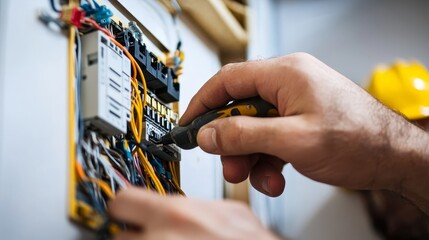
Rewiring is the process of replacing or upgrading existing wiring. Whether it’s just changing sockets and switches, or a complete house rewire, a qualified electrician will ensure the electrical system meets current regulations and works at maximum efficiency.

How long the rewiring will take depends on several factors, such as the size of your home and the complexity of its systems. A well-planned project can reduce the time required to complete a full house rewire. But unforeseen challenges can still add days to the timeline.

Before starting the rewiring, a qualified electrician will inspect your electrical system to determine the best way to proceed. He will then turn off your power and carefully remove all the old cables, using safe methods that avoid damaging your walls or flooring. This can involve lifting floorboards, chasing walls, and accessing loft spaces.

Once all the old cables have been removed, new cables will be laid in their place and joined to the existing circuits. Once the new connections are made, your electrical system will be tested and certified as safe. Once the rewiring is completed, your electrician will reconnect your appliances and switches. You can expect to enjoy a safer, more efficient, and modern electrical system for years to come.

Outdated wiring is one of the leading causes of house fires, and rewiring is essential for keeping your family safe. It can also improve the value of your property if you decide to sell in the future.

If you have any concerns about your electrical system, it’s important to contact a licensed electrician right away. An experienced professional will provide code-compliant, hazard-free repairs and installations in no time. By taking the time to find a reliable electrician, you can rest assured that your safety and peace of mind are protected. If you’re looking for a trusted electrician in Bowersville, consider JN Electrical. They’ve helped many homeowners with their electrical needs and offer services that meet or exceed industry standards. They can even help you save on your energy bills with lighting and appliance upgrades. To learn more, check out their website.

Circuit Breaker Panel Replacement

If your breaker panel is old and outdated, it may be time to upgrade. A faulty breaker panel can cause problems with your appliances and other electrical devices, including frequent tripping and power surges. If the problem is too severe to be fixed with repairs, you should have the panel replaced. This process can take several hours to complete, depending on the complexity of the job and whether additional upgrades are necessary.

The cost of a new panel depends on the type and size of your home. A new 100-amp panel typically costs $500-$2,100, while a 200-amp one is about $1,300. The amount of power your household uses also determines the best capacity for your new breaker panel. Your electrician will recommend the best panel for your home based on your current and future electricity needs.

Your breaker panel is the central hub that regulates your home’s energy flow and controls its distribution to circuits and appliances. It’s essential to have the right sized panel for your home, as too little or too much power can be dangerous.

A faulty breaker panel can lead to overheating, high electricity bills, and even fire eruption. Signs that your breaker box is nearing its end of life include rust or corrosion, outdated wiring, and frequent tripping. If you notice any of these signs, contact a licensed electrician to replace the panel.

During the replacement, your electrician will disconnect all power to the breaker box and remove it from the wall. They’ll then install a new electrical panel and connect it to your electrical system, which includes organizing and labeling all the breakers to match your home’s layout. Finally, they’ll test the new breaker panel and make any necessary adjustments to ensure it meets safety standards.

You can reduce the overall cost by bundling tasks with your electrician and preparing the work area before they arrive. This can help you save money by handling associated jobs like installing outlets and wiring new additions, and reducing the overall hourly rate. A reputable electrician will provide an estimate upfront before starting the work.

Egress Windows in Basement Remodeling

https://jrcsi.com/

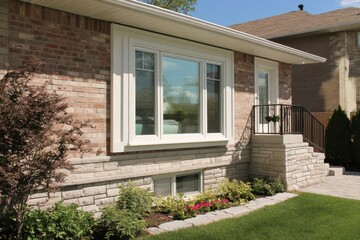
Basements are transformed into bedrooms and other living spaces by installing egress windows. These windows meet specific code requirements and enhance your home’s value. They can also be used to add natural light and ventilation.

These windows are easy to install and priced based on the style you choose. Many homeowners choose casement windows, which open with hinges and allow airflow without taking up wall space. Visit https://jrcsi.com/ for more details.

Egress windows are a safety feature

Egress windows are a key safety feature when used in basement remodeling. They help occupants escape during an emergency and allow firefighters and first responders to enter the home. They are also a great way to add natural light and improve airflow in the lower level of your house. Egress windows can be installed in many styles, including casement and sliding (gliding) windows. However, it’s important to work with a professional contractor to ensure compliance with local code requirements.

Unlike standard windows, which close and block the doorway, Egress windows are designed to open wide enough for a person to crawl through. They often have a window well that holds back dirt and provides space for the window to open. They may also include stairs or ladders for easy access. In addition to providing an exit route during emergencies, Egress windows increase the livability of your basement or other below-grade rooms. They let in natural light and can be opened to improve ventilation and odors.

Local building codes require egress windows in bedrooms and other sleeping areas. These large windows provide a safe way to exit the room in case of an emergency. The egress windows must be large enough to fit a person, and they must have a glass area of at least 8 percent of the room’s square footage. They also must be located in the center of the room and have a clear opening width of at least 20 inches.

While these windows are a vital safety feature, they can also increase the value of your home and make it more appealing to potential buyers. They are particularly attractive in basements and other lower-level living spaces, where natural light is limited. These windows can also improve airflow and reduce the stale, musty odor that often characterizes these spaces.

If you’re planning to remodel your basement into a bedroom, make sure to install egress windows. This will ensure that the new room complies with building codes and is a safe place to sleep. Adding these windows will also save money on energy bills by letting in more natural light and reducing heating and cooling costs.

They increase the value of your home

Egress windows increase your home’s value by making basement rooms legal livable space, which is crucial in tight real estate markets. In addition to safety, they also improve a basement’s appearance and make it feel more like part of the house. Additionally, they let in more natural light and improve ventilation, which can lower humidity levels and mitigate mildew growth. In fact, many homeowners report a return of 50-75% on their investment in an egress window.

To install an egress window, a contractor cuts a precise opening into the basement’s foundation wall using specialized equipment. Then, a frame is built around the opening and secured with concrete anchors and construction adhesive. After the window is set, it’s trimmed and caulked to create a waterproof seal. If the window opens into a window well, a drainage system is installed and backfilled with gravel to ensure proper drainage.

A professional will understand local and state building codes and help you determine the best location for your new egress window. The location should be a safe distance from any structures or hazards that could block the exit, and should be near an emergency escape route. It is also important to contact the local utility companies to have underground utilities located and marked before starting any digging.

Adding an egress window to a basement makes it much more livable, transforming it into a comfortable, functional room that’s easy to maintain. It also provides an emergency exit, which is a crucial feature in homes with children or elderly residents. It can even add $10,000 or more to the value of your home, especially if it allows you to convert the basement into a legal bedroom. This will broaden your buyer pool and support stronger offers when you eventually decide to sell. However, a poorly installed egress window can actually decrease the value of your property. This is why it’s essential to hire a professional with experience installing these windows. They can provide expert guidance and accurate installation to meet all safety and code requirements.

They improve ventilation

Egress windows improve the ventilation in your basement, allowing fresh air to circulate throughout the space. This can reduce humidity levels and help keep mold and mildew at bay, promoting a healthier home environment. They can also increase your home’s resale value and make it more comfortable to live in the space. In addition, installing egress windows can make the area feel more open and connected to the rest of your house.

Egress windows provide an escape route for people in your home during emergencies, such as fires. They are a necessary safety feature in basements used as living spaces and must meet certain building code requirements to be compliant. They can also add natural light and improve airflow, making them a great way to transform your basement into a usable living space.

To install an egress window, you must first excavate and prepare the opening. This step requires precision and knowledge of proper techniques to avoid structural damage. A professional contractor will have the tools and experience needed to complete this process safely and effectively. Then, they will construct a robust frame using pressure-treated lumber. After the frame is finished, they will cut a precise opening into your basement’s foundation wall. This step is critical for ensuring that the window will be properly installed and that it meets the required height and width standards.

Once the foundation is prepared, a basement window well will need to be constructed outside of the window opening. The window well should be large enough to allow a person to climb out of the window in an emergency and must be at least 44” deep. A ladder or steps can be attached to the well for safe escape.

Finally, the window opening must be properly sealed to prevent moisture from seeping into the home. A waterproofing membrane should be applied to the concrete foundation around the window and the inside sill of the window. It is also important to use caulk around the edges of the window to create a tight seal and protect the interior wood framing.

They are easy to install

If you’re looking to add a basement bedroom, you will need an egress window. These windows are required by law to provide an escape route in the event of a fire or other emergency. They also help improve the home’s resale value, especially if they are installed in bedrooms. In addition to their safety features, egress windows are easy to install. However, if you want to save time and money, you may be better off hiring a professional contractor.

First, locate the spot where you want the window to be. Choose a location that provides an unobstructed exit path and doesn’t collect rainfall or floodwaters. You can then start digging the area for the window well and mark the wall opening. The size of the window opening must meet code requirements, including a clear area of at least 5.7 square feet. You must also make sure that the inside sill of the window is no more than 44 inches from the ground.

Once the rough opening is cut in the foundation wall, it’s time to prepare the window well and start installing the window itself. If you’re using a concrete saw, be sure to use full eye protection and a dust mask. It’s a good idea to build a temporary frame around the window during this process, as this will keep any dust generated by the cutting from flying off into the basement.

You can choose from several types of egress windows, depending on the size and layout of your home. Most modern egress windows open outward into the window well, but there are also many options that open inward, such as casement windows or in-swing windows. The most affordable option is a single-hung window, which opens with hinged sashes that create a wide open space. Double-hung windows look similar and open with a bottom and top sash that overlap each other.

Once the window is installed, you’ll need to trim it to fit. This is a simple process that is no different from trimming any other type of window. There are many resources available online that describe the process, and Family Handyman has an excellent guide to egress window installation.