When people think about pressure washing, they often imagine a quick way to remove dirt from driveways or brighten up exterior walls. While the visual transformation is undeniable, the real value of professional pressure washing extends far beyond appearances. Many property owners overlook how regular exterior cleaning contributes to long-term maintenance, structural protection, and even overall comfort. Professional pressure washing services combine technical knowledge, specialized equipment, and strategic cleaning techniques to deliver results that go deeper than a simple surface rinse. Gain more insights by visiting https://www.certifiedsoftwash.ca/.
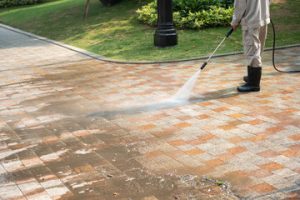
Over time, outdoor surfaces naturally collect layers of grime, algae, mold, and environmental residue. These elements may seem harmless at first, but they gradually weaken materials and reduce the lifespan of exterior features. Professional pressure washing addresses these issues before they escalate, helping property owners avoid expensive repairs while maintaining a clean and welcoming environment. Understanding the hidden benefits behind this service reveals why it has become an essential part of modern property care.
Preserving Surfaces Before Damage Becomes Visible
One of the most overlooked advantages of professional pressure washing is its ability to protect surfaces before problems become obvious. Dirt and organic growth can trap moisture against siding, concrete, and wood, leading to gradual deterioration. By removing buildup early, pressure washing helps prevent long-term damage that might otherwise require costly restoration.
Professional technicians understand how different materials respond to water pressure and cleaning solutions. Rather than using a one-size-fits-all approach, they adjust techniques to suit each surface, ensuring effective cleaning without unnecessary wear. This level of precision makes a significant difference in preserving the structural integrity of exterior features.
Regular cleaning also reduces the likelihood of cracks, discoloration, and surface breakdown. Even durable materials benefit from periodic maintenance, as exposure to changing weather conditions can accelerate wear. By incorporating professional pressure washing into routine upkeep, property owners create a protective barrier against environmental stress.
Improving Health and Safety Through Exterior Cleaning
Another hidden benefit of pressure washing involves health and safety. Outdoor surfaces often develop slippery layers of algae or mildew, especially in shaded areas. These conditions can create hazards for anyone walking on pathways, decks, or entryways. Professional cleaning removes these contaminants, reducing the risk of slips and falls while improving overall safety.
In addition to preventing accidents, pressure washing contributes to a healthier outdoor environment. Mold spores and airborne particles can accumulate on surfaces and spread into nearby living areas. Removing these substances helps maintain cleaner air and reduces exposure to irritants that may affect comfort.
Professional services often include a careful inspection of problem areas, identifying spots where moisture collects or where organic growth thrives. Addressing these issues early prevents them from spreading and ensures that outdoor spaces remain safe and enjoyable year-round.
Enhancing Property Value Without Major Renovations
Many property owners assume that increasing property value requires extensive remodeling or expensive upgrades. However, professional pressure washing can dramatically improve the appearance of a property with minimal disruption. Clean surfaces create a fresh, well-maintained look that enhances curb appeal and leaves a positive impression.
When exterior elements such as siding, walkways, and fences appear clean and cared for, the entire property feels more inviting. This improvement is particularly valuable for those preparing to sell or lease a space, as first impressions often influence potential buyers or visitors. Even without structural changes, pressure washing can make an older property feel renewed.
Beyond aesthetics, maintaining clean surfaces signals responsible ownership. Buyers and visitors often associate a well-kept exterior with proper maintenance throughout the property. This perception can play a role in boosting confidence and overall appeal.
Extending the Lifespan of Exterior Materials
Replacing siding, decks, or concrete surfaces can be costly and time-consuming. Professional pressure washing helps extend the life of these materials by removing substances that cause gradual deterioration. Dirt and pollutants may seem minor, but over time, they can break down protective coatings and expose surfaces to damage.
Here are several ways professional pressure washing contributes to longevity:
- Prevents premature wear by eliminating abrasive debris that scratches or weakens surfaces.
- Reduces moisture retention by clearing away algae and organic growth that trap water.
- Maintains protective finishes by removing contaminants that degrade sealants and paint.
- Supports routine maintenance by revealing small issues before they become larger problems.
These benefits highlight why pressure washing is not just a cosmetic service but a practical investment in long-term property care. Regular cleaning helps preserve materials so they remain functional and visually appealing for years.
Saving Time and Effort With Professional Expertise
While some property owners attempt to handle exterior cleaning themselves, professional pressure washing offers advantages that go beyond convenience. Specialized equipment allows technicians to clean large areas efficiently, reaching high or difficult spots that may be challenging to access with standard tools. This efficiency saves time and ensures consistent results across different surfaces.
Professional knowledge also reduces the risk of accidental damage. Using incorrect pressure levels or cleaning solutions can harm delicate materials, strip paint, or leave uneven marks. Experienced technicians understand how to balance pressure and technique to achieve optimal results without compromising the surface.
Additionally, hiring professionals eliminates the need for property owners to manage heavy equipment or handle potentially hazardous cleaning agents. This peace of mind allows individuals to focus on other priorities while still benefiting from a thoroughly cleaned exterior.
Environmental Considerations and Responsible Cleaning Practices
Modern pressure washing services often incorporate environmentally conscious methods designed to minimize water waste and reduce the impact of cleaning chemicals. Instead of relying solely on high pressure, professionals may use targeted techniques such as soft washing, which combines lower pressure with specialized solutions to break down contaminants effectively.
Responsible cleaning practices not only protect surrounding landscapes but also ensure that runoff is managed appropriately. Many technicians take steps to prevent debris and chemicals from entering drainage systems or affecting nearby vegetation. These environmentally aware approaches reflect a growing commitment within the industry to balance cleanliness with sustainability.
Property owners who choose professional services benefit from these advancements, knowing that their exterior cleaning routine aligns with modern environmental standards. This combination of effectiveness and responsibility adds another layer of value to professional pressure washing.
Preparing Surfaces for Future Projects
Another hidden advantage of pressure washing lies in its role as a preparatory step for other improvements. Whether planning to repaint, reseal, or renovate exterior areas, starting with a clean surface ensures better results. Dirt and residue can prevent coatings from adhering properly, leading to uneven finishes or premature peeling.
Professional pressure washing creates a clean foundation that enhances the effectiveness of future upgrades. By removing contaminants beforehand, property owners can extend the lifespan of new paint, stains, or sealants. This proactive approach not only improves appearance but also protects investments in additional improvements.
Preparing surfaces through professional cleaning also reveals underlying conditions that might otherwise go unnoticed. Small cracks, loose materials, or areas of wear become more visible once grime is removed, allowing for timely repairs and more accurate planning.
Building a Routine That Supports Long-Term Maintenance
One of the biggest misconceptions about pressure washing is that it should only be done when surfaces look dirty. In reality, regular maintenance plays a key role in preserving the condition of a property. Establishing a consistent cleaning schedule helps prevent buildup from reaching levels that require intensive treatment.
A well-planned routine might include:
- Annual exterior washing to maintain siding and prevent discoloration.
- Seasonal cleaning of high-traffic areas such as walkways and patios.
- Periodic inspection of shaded zones where algae or mold may develop more quickly.
By integrating these practices into a broader maintenance strategy, property owners can keep their spaces looking fresh while minimizing long-term repair costs. Professional guidance helps determine the best schedule based on environmental conditions and material types.
The Emotional Impact of a Clean Exterior
Beyond practical benefits, professional pressure washing can significantly influence how a space feels. Clean surroundings create a sense of pride and comfort, making outdoor areas more enjoyable for everyday use. Brightened surfaces and refreshed textures contribute to a welcoming atmosphere that encourages relaxation and social interaction.
The psychological effect of a clean environment should not be underestimated. When exterior spaces look well cared for, they often inspire property owners to maintain other areas more consistently. This ripple effect can lead to improved organization, enhanced curb appeal, and a stronger connection to the space.
Professional pressure washing offers far more than a temporary visual upgrade. From protecting materials and improving safety to enhancing property value and supporting long-term maintenance, its hidden benefits make it an essential service for modern property care. By addressing buildup before it causes damage, pressure washing helps preserve the beauty and functionality of exterior spaces without the need for major renovations.
Understanding the broader impact of professional pressure washing allows property owners to see it as a proactive investment rather than a reactive solution. With the right techniques and consistent upkeep, this service can transform not only how a property looks but also how it performs over time. Embracing these hidden advantages ensures that exterior spaces remain durable, inviting, and ready to withstand the challenges of everyday use.