The First 24 Hours After Water Damage A Homeowner’s Emergency Checklist

The First 24 Hours After Water Damage A Homeowners Emergency Checklist

The first few hours following water damage are critical. Your prompt response can minimize damage, prevent health risks such as mold, and avoid costly restoration.

Safety, assessment, and documentation are your priorities. Water moves and spreads, and it’s easy to underestimate the extent of a loss until walls are opened and framing and subtle floor slopes become evident. Contact Water Damage Restoration Salt Lake City for more details.

1. Turn Off the Water

Whether caused by a burst pipe, a ceiling leak, or sudden flooding from Miami’s tropical storms, water damage moves quickly and can be devastating. The first 24 hours are the most critical for minimizing damages, preventing mold growth, and avoiding costly repairs. This step-by-step guide walks you through immediate actions that can save you thousands in water restoration costs.

Shut off the water at the source if possible. If the water is near electrical outlets or appliances, shut off power to prevent potential electrical hazards. If your property has Category 2 or Category 3 water (contaminated with bacteria, chemicals, or sewage), do not attempt to cleanup on your own.

Move valuables and furniture to a dry area. If it’s safe, use a wet/dry vacuum or towels to remove excess water and speed up drying. Open windows and doors to increase airflow if weather permits. Dehumidifiers and fans help pull moisture from the air to reduce damage and speed up the process. Moisture that is not removed will continue to penetrate into walls, floors, and insulation, leading to structural deterioration and mold growth.

2. Turn Off the Power

Water damage can cause a variety of hazards. The most dangerous is the risk of electrical shock and fires. This is because water conducts electricity, which means that if there’s a break in the line outside of your house or a wet floor inside, the current could travel to outlets and switches. It can also corrode metal components, increasing the risk of short circuits and fires.

This is why it’s so important to shut off the power as soon as possible. You can do this by going to your breaker box and turning off the power to the affected area. If you can’t safely access the breaker box, call emergency services.

Once the power is turned off, it’s important to look for signs of water damage and evacuate the area if needed. Look for a fishy or burning smell, discolored outlets and switches, or sagging ceilings. If you spot any of these, shut off the power again and call a professional immediately. They’ll be able to assess the damage and start the drying process quickly.

3. Evacuate the Area

Water damage is a disaster that can happen from many sources. A burst pipe, heavy rain, appliance failure, or even sewage backup can cause flooding. No matter what caused it, the first 24 hours are critical to reducing long-term damage, avoiding mold growth, and minimizing repair costs.

If you are in an area susceptible to flooding, make sure that you keep up with local news and obey any evacuation orders. Six inches of moving floodwater can knock you off your feet and float your car, so be careful!

Do not enter flooded areas, unless you are certain that the electricity has been turned off and that it is safe. If you must enter, wear water-tight gloves and boots to protect yourself from bacteria or chemicals. Also, never wade in floodwater if it is brown or murky; this water may contain dangerous pathogens. If possible, remove items that have been soaked with water (such as furniture, carpets, and other possessions) and place them outdoors to hose off, dry, and sanitize. Plastic, metal, and solid wood furniture can be saved if they are dried out and sanitized within a few days of the flood.

4. Remove Water-Saturated Items

Whether your home is affected by a burst pipe, heavy rainfall, or appliance failure, the first 24 hours are critical for minimizing water damage, preventing mold, and protecting your structure. Taking action quickly can save thousands in repairs and restoration costs.

Moisture infiltrates and ruins organic materials like wood, drywall, carpeting, and insulation. It also creates the ideal conditions for mold, which can begin forming in 24-48 hours. Professional moisture detection, water extraction, and thorough drying prevent mold and rot from forming.

Immediate response is important, but professional water restoration is essential for preventing long-term problems. While these water damage steps provide a foundation for homeowner response, professionals have the equipment, experience, and technology to effectively dry all materials and structures. They can also ensure all contaminants are removed, restoring your property to its pre-damage condition.

5. Take Photos and Videos

Taking action during the first 24 hours after water damage is essential. This can help reduce damage, prevent mold growth, and save on costly repairs. It can also minimize health risks and structural damage. Whether water damage occurs from flooding, a burst pipe, or sudden storms in Baldwin’s humid climate, the right steps can make all the difference.

Documentation is vital to a successful insurance claim, so take clear photos of all the affected areas. This includes walls, floors, furniture, and valuables. It’s also a good idea to create a detailed inventory of damaged items with their serial numbers, brand names, and model numbers.

If possible, take video walks through the affected areas while narrating what you see. This can help provide context that photos alone cannot. It’s also a great way to show your insurance company what steps you’ve taken to mitigate damage and prevent further damage. This can significantly impact your eligibility for an insurance payout. It can also help speed up the process of restoring your home to normal.

6. Document the Damage

Documentation is a critical component of the water damage restoration process. Thorough documentation allows property owners to protect their financial interests, support insurance claims, and facilitate proper restoration protocols.

It is especially important to document the damage caused by sudden or catastrophic events such as a burst pipe, a flooded basement, or storm flooding. This step can save you a lot of trouble in the long run by preventing further structural damage, increased repair costs, and health risks.

In addition to documenting the extent of the water intrusion and damage to personal belongings, property owners should also take clear photographs of the source of the water, including close-ups of specific failure points and wider shots of the affected areas. It is also a good idea to freeze valuable documents, such as photographs and books, to slow down early mildew growth.

Water damage is categorized into three distinct types according to its contamination level, which can significantly impact the cleanup and restoration process. Detailed records must be provided for Clean Water (from sanitary sources), Gray Water (with moderate contamination), and Black Water (from severe contamination such as sewage backups or flood waters). These details allow insurance providers and restoration professionals to assess the risk of secondary damage, identify potential safety hazards, and develop appropriate remediation strategies.

7. Contact Your Insurance Company

If your home is affected by water damage, it’s important to contact your insurance company immediately. Promptly reporting the damage can help speed up the process of filing an insurance claim and may allow you to receive a higher payout. It’s also essential to understand your policy and take clear photos of the water damage.

Water damage restoration is more than just removing visible water and drying surfaces, and it requires professional training and equipment. It involves identifying the source of the water, inspecting for additional damage, thoroughly drying and disinfecting surfaces, preventing mold growth, and repairing or rebuilding any structures that were damaged.

The first 24 hours after noticing water damage are critical for minimizing damage, preventing mold growth, and protecting your home’s structural integrity. Moisture spreads rapidly through porous materials like drywall and wood, and mold starts growing in 24-48 hours under the right conditions. Water damage can also affect electrical systems and lead to unsafe conditions, especially in Florida’s high humidity. It’s also important to know whether your insurance company has a vacancy clause, which excludes coverage if your house is unoccupied for an extended period.

8. Call a Professional

Regardless of the severity of your water damage, a certified team is needed to assess and dry the affected area. This step is vital for preventing long-term problems like mold growth and structural deterioration.

Professionals use wet/dry vacuums, pumps, and dehumidifiers to extract standing water. They also employ moisture meters to check for hidden moisture in walls and other hard-to-reach areas. Moisture is what causes the structural deterioration that leads to expensive repairs down the line. Professionals are also trained to recognize the warning signs of potential problems and can prevent them from getting worse.

Thorough documentation is the key to a successful insurance claim. Make a list of all damaged items and take clear photos of all visible damage from multiple angles. It’s also a good idea to record a video walkthrough of all affected areas while narrating what you see. This gives context that photos alone cannot provide. This early documentation will help you save time, money, and stress later on.
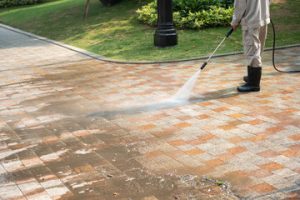
The Hidden Benefits of Professional Pressure Washing Most Property Owners Overlook

When people think about pressure washing, they often imagine a quick way to remove dirt from driveways or brighten up exterior walls. While the visual transformation is undeniable, the real value of professional pressure washing extends far beyond appearances. Many property owners overlook how regular exterior cleaning contributes to long-term maintenance, structural protection, and even overall comfort. Professional pressure washing services combine technical knowledge, specialized equipment, and strategic cleaning techniques to deliver results that go deeper than a simple surface rinse. Gain more insights by visiting https://www.certifiedsoftwash.ca/.

pressure washing

Over time, outdoor surfaces naturally collect layers of grime, algae, mold, and environmental residue. These elements may seem harmless at first, but they gradually weaken materials and reduce the lifespan of exterior features. Professional pressure washing addresses these issues before they escalate, helping property owners avoid expensive repairs while maintaining a clean and welcoming environment. Understanding the hidden benefits behind this service reveals why it has become an essential part of modern property care.

Preserving Surfaces Before Damage Becomes Visible

One of the most overlooked advantages of professional pressure washing is its ability to protect surfaces before problems become obvious. Dirt and organic growth can trap moisture against siding, concrete, and wood, leading to gradual deterioration. By removing buildup early, pressure washing helps prevent long-term damage that might otherwise require costly restoration.

Professional technicians understand how different materials respond to water pressure and cleaning solutions. Rather than using a one-size-fits-all approach, they adjust techniques to suit each surface, ensuring effective cleaning without unnecessary wear. This level of precision makes a significant difference in preserving the structural integrity of exterior features.

Regular cleaning also reduces the likelihood of cracks, discoloration, and surface breakdown. Even durable materials benefit from periodic maintenance, as exposure to changing weather conditions can accelerate wear. By incorporating professional pressure washing into routine upkeep, property owners create a protective barrier against environmental stress.

Improving Health and Safety Through Exterior Cleaning

Another hidden benefit of pressure washing involves health and safety. Outdoor surfaces often develop slippery layers of algae or mildew, especially in shaded areas. These conditions can create hazards for anyone walking on pathways, decks, or entryways. Professional cleaning removes these contaminants, reducing the risk of slips and falls while improving overall safety.

In addition to preventing accidents, pressure washing contributes to a healthier outdoor environment. Mold spores and airborne particles can accumulate on surfaces and spread into nearby living areas. Removing these substances helps maintain cleaner air and reduces exposure to irritants that may affect comfort.

Professional services often include a careful inspection of problem areas, identifying spots where moisture collects or where organic growth thrives. Addressing these issues early prevents them from spreading and ensures that outdoor spaces remain safe and enjoyable year-round.

Enhancing Property Value Without Major Renovations

Many property owners assume that increasing property value requires extensive remodeling or expensive upgrades. However, professional pressure washing can dramatically improve the appearance of a property with minimal disruption. Clean surfaces create a fresh, well-maintained look that enhances curb appeal and leaves a positive impression.

When exterior elements such as siding, walkways, and fences appear clean and cared for, the entire property feels more inviting. This improvement is particularly valuable for those preparing to sell or lease a space, as first impressions often influence potential buyers or visitors. Even without structural changes, pressure washing can make an older property feel renewed.

Beyond aesthetics, maintaining clean surfaces signals responsible ownership. Buyers and visitors often associate a well-kept exterior with proper maintenance throughout the property. This perception can play a role in boosting confidence and overall appeal.

Extending the Lifespan of Exterior Materials

Replacing siding, decks, or concrete surfaces can be costly and time-consuming. Professional pressure washing helps extend the life of these materials by removing substances that cause gradual deterioration. Dirt and pollutants may seem minor, but over time, they can break down protective coatings and expose surfaces to damage.

Here are several ways professional pressure washing contributes to longevity:

  1. Prevents premature wear by eliminating abrasive debris that scratches or weakens surfaces.
  2. Reduces moisture retention by clearing away algae and organic growth that trap water.
  3. Maintains protective finishes by removing contaminants that degrade sealants and paint.
  4. Supports routine maintenance by revealing small issues before they become larger problems.

These benefits highlight why pressure washing is not just a cosmetic service but a practical investment in long-term property care. Regular cleaning helps preserve materials so they remain functional and visually appealing for years.

Saving Time and Effort With Professional Expertise

While some property owners attempt to handle exterior cleaning themselves, professional pressure washing offers advantages that go beyond convenience. Specialized equipment allows technicians to clean large areas efficiently, reaching high or difficult spots that may be challenging to access with standard tools. This efficiency saves time and ensures consistent results across different surfaces.

Professional knowledge also reduces the risk of accidental damage. Using incorrect pressure levels or cleaning solutions can harm delicate materials, strip paint, or leave uneven marks. Experienced technicians understand how to balance pressure and technique to achieve optimal results without compromising the surface.

Additionally, hiring professionals eliminates the need for property owners to manage heavy equipment or handle potentially hazardous cleaning agents. This peace of mind allows individuals to focus on other priorities while still benefiting from a thoroughly cleaned exterior.

Environmental Considerations and Responsible Cleaning Practices

Modern pressure washing services often incorporate environmentally conscious methods designed to minimize water waste and reduce the impact of cleaning chemicals. Instead of relying solely on high pressure, professionals may use targeted techniques such as soft washing, which combines lower pressure with specialized solutions to break down contaminants effectively.

Responsible cleaning practices not only protect surrounding landscapes but also ensure that runoff is managed appropriately. Many technicians take steps to prevent debris and chemicals from entering drainage systems or affecting nearby vegetation. These environmentally aware approaches reflect a growing commitment within the industry to balance cleanliness with sustainability.

Property owners who choose professional services benefit from these advancements, knowing that their exterior cleaning routine aligns with modern environmental standards. This combination of effectiveness and responsibility adds another layer of value to professional pressure washing.

Preparing Surfaces for Future Projects

Another hidden advantage of pressure washing lies in its role as a preparatory step for other improvements. Whether planning to repaint, reseal, or renovate exterior areas, starting with a clean surface ensures better results. Dirt and residue can prevent coatings from adhering properly, leading to uneven finishes or premature peeling.

Professional pressure washing creates a clean foundation that enhances the effectiveness of future upgrades. By removing contaminants beforehand, property owners can extend the lifespan of new paint, stains, or sealants. This proactive approach not only improves appearance but also protects investments in additional improvements.

Preparing surfaces through professional cleaning also reveals underlying conditions that might otherwise go unnoticed. Small cracks, loose materials, or areas of wear become more visible once grime is removed, allowing for timely repairs and more accurate planning.

Building a Routine That Supports Long-Term Maintenance

One of the biggest misconceptions about pressure washing is that it should only be done when surfaces look dirty. In reality, regular maintenance plays a key role in preserving the condition of a property. Establishing a consistent cleaning schedule helps prevent buildup from reaching levels that require intensive treatment.

A well-planned routine might include:

  1. Annual exterior washing to maintain siding and prevent discoloration.
  2. Seasonal cleaning of high-traffic areas such as walkways and patios.
  3. Periodic inspection of shaded zones where algae or mold may develop more quickly.

By integrating these practices into a broader maintenance strategy, property owners can keep their spaces looking fresh while minimizing long-term repair costs. Professional guidance helps determine the best schedule based on environmental conditions and material types.

The Emotional Impact of a Clean Exterior

Beyond practical benefits, professional pressure washing can significantly influence how a space feels. Clean surroundings create a sense of pride and comfort, making outdoor areas more enjoyable for everyday use. Brightened surfaces and refreshed textures contribute to a welcoming atmosphere that encourages relaxation and social interaction.

The psychological effect of a clean environment should not be underestimated. When exterior spaces look well cared for, they often inspire property owners to maintain other areas more consistently. This ripple effect can lead to improved organization, enhanced curb appeal, and a stronger connection to the space.

Professional pressure washing offers far more than a temporary visual upgrade. From protecting materials and improving safety to enhancing property value and supporting long-term maintenance, its hidden benefits make it an essential service for modern property care. By addressing buildup before it causes damage, pressure washing helps preserve the beauty and functionality of exterior spaces without the need for major renovations.

Understanding the broader impact of professional pressure washing allows property owners to see it as a proactive investment rather than a reactive solution. With the right techniques and consistent upkeep, this service can transform not only how a property looks but also how it performs over time. Embracing these hidden advantages ensures that exterior spaces remain durable, inviting, and ready to withstand the challenges of everyday use.