The Unseen Importance of Septic Pumping in a Sustainable World

Every system that works silently beneath us deserves attention. Septic pumping may not be glamorous, but it keeps modern life functional. The process safeguards sanitation, health, and the environment. It is the quiet guardian of clean living.

Septic systems work like living organisms beneath the ground. They digest waste, filter water, and balance ecosystems around them. But even the most efficient systems need maintenance. That’s where septic pumping becomes vital to the cycle. Visit Website to learn more.

septic

Many people overlook what happens after flushing the toilet. Waste disappears, but its journey continues underground. The septic tank collects, separates, and treats it naturally. Without proper pumping, this process slowly breaks down.

Septic pumping is not just about removing sludge. It restores the biological balance of the system. Too much accumulation leads to clogs and leaks. Pumping acts as a reset, preventing both mechanical and environmental failure.

Modern septic pumping has evolved with technology. Vacuum systems and sensors now make the process faster and safer. The goal is no longer just waste removal but sustainability. Efficiency now meets environmental responsibility.

Neglecting septic maintenance creates hidden dangers. Overflow can contaminate groundwater and nearby soil. Such pollution spreads silently, harming both people and wildlife. Septic pumping prevents these invisible disasters.

The process begins with careful assessment. Technicians inspect sludge levels, tank integrity, and flow patterns. The pumping then removes solids without disturbing natural bacteria. A balance between cleaning and conservation defines success.

Today’s septic pumping also focuses on resource recovery. Some facilities recycle biosolids for renewable energy or agriculture. Waste becomes part of a circular system that benefits communities. It transforms disposal into sustainable innovation.

A septic tank tells stories about household habits. The type and frequency of waste reveal how systems adapt. Regular pumping helps professionals detect problems early. Prevention always costs less than emergency repair.

Seasonal factors also affect septic health. Heavy rains, droughts, and temperature changes impact treatment efficiency. Septic pumping schedules often align with these natural shifts. The earth and the system dance in quiet coordination.

Education plays a key role in maintaining healthy systems. Homeowners who understand the purpose of septic pumping make better decisions. Awareness turns routine service into environmental stewardship. Knowledge truly keeps systems alive.

Grease, chemicals, and plastics pose silent threats to septic balance. These materials disrupt bacterial digestion and reduce system life. Septic pumping clears these foreign elements from the tank. The process becomes an act of protection, not just cleaning.

Urbanization increases the pressure on wastewater infrastructure. As communities expand, more properties rely on septic solutions. Pumping services adapt with scalable tools and smart monitoring. The future of sanitation lies in precision management.

Septic pumping also reflects social responsibility. Proper maintenance prevents contamination that affects neighbors and communities. Clean systems mean clean surroundings. Sanitation begins at home, but benefits everyone.

The environmental impact of neglected systems can be severe. Leaks introduce harmful bacteria into soil and water bodies. Septic pumping eliminates this risk before it spreads. A single service can prevent large-scale ecological damage.

Some modern systems integrate digital monitoring for early alerts. Sensors detect fluid levels and bacterial activity in real time. Septic pumping then occurs based on data, not guesswork. Technology adds intelligence to ancient sanitation methods.

The economic side of septic care also deserves mention. Regular pumping prevents costly repairs and system replacements. It extends the life of underground infrastructure significantly. In essence, maintenance is a long-term investment in stability.

Odor control is another subtle benefit. Unpumped systems often release unpleasant smells through drains and vents. Septic pumping refreshes the entire environment by clearing trapped gases. Fresh air is a sign of a healthy system below.

Community-scale pumping programs show the power of collaboration. When entire neighborhoods synchronize their maintenance schedules, efficiency rises. Shared services reduce costs and waste. Clean systems become symbols of collective discipline.

The process itself requires precision and expertise. Technicians must identify the right pumping frequency and method. Over-pumping can disrupt biological balance, while under-pumping risks overflow. The science of septic care lies in timing.

Septic pumping also supports groundwater protection. Tanks that overflow release nitrates into nearby wells and rivers. Proper maintenance creates an invisible barrier against contamination. It’s environmental defense at a microscopic level.

In rural and remote areas, septic systems replace large-scale sewage networks. Pumping services there serve as lifelines for entire communities. These areas depend on consistent care to stay safe. Sanitation is a shared commitment, not a luxury.

The sludge removed during pumping can become a resource with treatment. Modern facilities transform it into compost, biogas, or fertilizer. What was once waste becomes useful again. Septic pumping therefore, closes the loop of sustainability.

Design innovation is also transforming septic technology. New tanks separate solids more efficiently, requiring fewer pump-outs. Sensors measure sludge thickness to optimize timing. Septic pumping now combines tradition with digital precision.

Pumping frequency depends on household habits. Larger families or heavy water usage accelerate waste buildup. Professionals analyze flow rate, system size, and usage behavior. Personalized schedules ensure the system’s longevity.

The awareness around septic pumping is growing globally. Environmental campaigns highlight how neglect leads to pollution. People are now viewing sanitation as an ecological responsibility. Every pump-out becomes a step toward a cleaner world.

Septic pumping companies often train their teams in environmental safety. The goal is not just efficiency but eco-conscious disposal. Professionals treat waste with care to prevent secondary contamination. This ethical approach redefines modern sanitation.

During the pumping process, operators often inspect for cracks or leaks. These small checks prevent future collapses and soil infiltration. Septic pumping thus doubles as preventive diagnostics. It is maintenance and monitoring rolled into one.

Even the sound of a pump truck represents sustainability in motion. It’s the hum of prevention, the rhythm of cleanliness. Each cycle removes potential hazards before they spread. The unseen becomes the unsung hero of hygiene.

Public education about septic systems remains crucial. Misconceptions often lead to neglect or improper maintenance. Awareness campaigns now include schools and local communities. Understanding sanitation builds healthier futures.

Some modern systems even integrate eco-bacteria after pumping. These biological enhancers restore the natural breakdown process. They ensure that the tank continues working efficiently after cleaning. Science and nature cooperate underground.

Septic pumping also adapts to environmental regulations. Waste management standards require safe transportation and disposal. Compliance ensures both public health and ecological balance. The process upholds both safety and sustainability.

Rising environmental awareness has made septic pumping part of the green movement. People see it as a form of environmental activism at home. Keeping a tank clean means keeping the planet safe. Sanitation becomes a moral responsibility.

Technology continues to revolutionize the industry. Drones, sensors, and AI now assist in site assessment and leak detection. These tools minimize disruption and increase accuracy. Septic pumping is entering a digital age of precision.

The global sanitation challenge also depends on local solutions. Septic systems remain essential where centralized networks are absent. Pumping services bring equality in hygiene access. Clean water and clean soil begin with clean tanks.

Emergency septic pumping shows how vital response time can be. Floods or sudden blockages require immediate intervention. Professionals trained for quick action prevent massive contamination. Rapid pumping restores safety and stability.

Even aesthetics benefit from regular maintenance. Overflowing systems damage lawns, gardens, and outdoor structures. Septic pumping keeps properties clean, functional, and odor-free. Beauty and hygiene coexist when care is consistent.

The connection between human health and septic systems is undeniable. Contaminated groundwater spreads disease silently. Pumping prevents pathogens from reaching drinking sources. It is one of the most effective public health safeguards.

Climate change adds new challenges to septic management. Rising water tables and unpredictable weather affect tank performance. Septic pumping schedules adjust accordingly to reduce risk. Adaptability ensures resilience under shifting conditions.

The future of septic care is automation combined with awareness. Smart systems will notify owners before problems arise. Remote monitoring will make maintenance effortless. The harmony between human and machine defines progress.

Innovation also means redesigning waste treatment for minimal environmental impact. Eco-friendly trucks reduce emissions during pumping. Energy-efficient methods lower carbon footprints. Even sanitation can go green through mindful engineering.

Septic pumping reflects how technology and ecology can coexist. It embodies the principle of responsibility beneath convenience. Clean systems mirror clean societies. The quiet act of pumping sustains the rhythm of modern life.

Every household becomes part of a larger environmental chain. Each tank connects to groundwater, soil, and air quality. Septic pumping ensures these links remain healthy and safe. It turns private maintenance into collective preservation.

In the end, septic pumping is not just a technical procedure. It’s an essential rhythm that keeps sanitation flowing. It protects health, preserves the planet, and promotes sustainability. What lies underground sustains life above.


Achieve Your Dream by Becoming a Homeowner

Becoming a homeowner is a significant milestone that brings both financial and personal benefits. Owning a home provides stability, independence, and a sense of accomplishment. It is an investment in your future, offering opportunities for wealth-building, personalization, and long-term security. While the process may seem overwhelming, careful planning, research, and preparation can make homeownership achievable and rewarding.

real estate

The Benefits of Homeownership

Homeownership offers numerous advantages beyond having a place to live. These benefits include:

  • Financial Investment: A home is often one of the largest assets a person can own. Property values tend to appreciate over time, allowing homeowners to build equity and potentially generate wealth.
  • Stability and Security: Owning a home provides long-term stability compared to renting, with control over living arrangements and protection from sudden rent increases.
  • Creative Freedom: Homeowners can personalize their space, remodel, or make improvements without seeking landlord approval.
  • Tax Advantages: Many regions offer tax benefits to homeowners, including deductions on mortgage interest or property taxes.
  • Community Connection: Homeownership often fosters stronger ties to the neighborhood, promoting community engagement and social stability.

These benefits make owning a home a desirable and long-term goal for individuals and families alike.

Preparing to Become a Homeowner

Before purchasing a home, preparation is essential. Proper planning ensures a smooth process and prevents financial strain. Key steps include:

  • Assessing Financial Readiness: Review income, savings, and debt to determine how much you can afford. Factor in costs such as down payment, closing fees, property taxes, insurance, and maintenance.
  • Checking Credit Scores: A strong credit score improves mortgage eligibility and can secure better interest rates.
  • Creating a Budget: Plan for monthly mortgage payments, utilities, and other expenses to ensure financial stability.
  • Researching Mortgage Options: Understanding different loan types and terms helps in choosing a mortgage that fits your needs and long-term goals.
  • Saving for a Down Payment: Building a sufficient down payment can reduce monthly payments and improve mortgage approval chances.

Proper preparation increases confidence, reduces stress, and ensures a more successful homebuying experience.

Choosing the Right Home

Selecting the right home involves evaluating personal needs, lifestyle, and future goals. Consider the following factors:

  • Location: Proximity to work, schools, amenities, and public services impacts convenience and quality of life.
  • Size and Layout: Determine the number of bedrooms, bathrooms, and living spaces needed to meet current and future needs.
  • Condition and Age of Property: Older homes may require renovations, while newer homes might offer modern amenities and lower maintenance.
  • Neighborhood Safety and Community: Research crime rates, community engagement, and local development plans.
  • Future Growth: Consider potential for property value appreciation and neighborhood growth.

By carefully evaluating these factors, buyers can choose a home that aligns with their lifestyle and long-term objectives.

Navigating the Homebuying Process

The homebuying process involves multiple steps that require attention to detail and careful decision-making:

  • Mortgage Pre-Approval: Getting pre-approved helps you understand how much you can borrow and strengthens your position when making an offer.
  • Home Search and Inspections: Visit properties, evaluate condition, and conduct professional inspections to identify potential issues.
  • Making an Offer: Work with real estate professionals to negotiate a fair price based on market trends and property value.
  • Closing the Sale: Review contracts, complete necessary paperwork, and finalize the mortgage to officially become a homeowner.
  • Moving In and Maintenance: Plan for moving, set up utilities, and schedule regular maintenance to protect your investment.

Each step requires careful planning, research, and professional guidance to ensure a smooth and successful purchase.

Financing Options for Homebuyers

Financing is a critical component of homeownership. Understanding available options can save money and improve affordability:

  • Conventional Mortgages: Fixed or adjustable-rate loans with predictable monthly payments.
  • Government-Backed Loans: Programs designed to support first-time buyers or individuals with limited savings.
  • Down Payment Assistance Programs: Help eligible buyers reduce upfront costs.
  • Refinancing Options: Potential to adjust interest rates and terms in the future to reduce costs.

Consulting with financial advisors or mortgage specialists ensures that buyers select the best financing option for their unique situation.

Preparing for Homeownership Responsibilities

Owning a home comes with ongoing responsibilities. Being prepared ensures long-term satisfaction and protects your investment:

  • Routine Maintenance: Regular upkeep prevents costly repairs and preserves property value.
  • Property Taxes and Insurance: Budget for annual expenses to avoid financial strain.
  • Emergency Fund: Set aside savings for unexpected repairs or urgent needs.
  • Upgrades and Improvements: Enhance comfort and functionality through remodeling, landscaping, or energy-efficient upgrades.

Being proactive and organized helps homeowners manage responsibilities effectively and enjoy their investment.

Building Wealth Through Homeownership

Homeownership is a long-term wealth-building strategy. Over time, property values tend to appreciate, and mortgage payments contribute to equity rather than rent. Homeowners can leverage this equity for major life expenses, such as education, starting a business, or retirement planning.

Additionally, well-maintained properties in growing communities are more likely to increase in value, offering both financial security and long-term investment potential.

Becoming a homeowner is a life-changing achievement that offers stability, financial benefits, and personal fulfillment. From preparation and budgeting to choosing the right property and managing responsibilities, each step is crucial to ensuring a successful homeownership experience.

By approaching the process with careful planning, informed decision-making, and long-term vision, individuals can achieve the dream of owning a home. Homeownership provides more than a place to live—it is an investment in the future, a platform for personal expression, and a foundation for building lasting wealth and security.

Embracing the journey to becoming a homeowner empowers individuals to create a stable, comfortable, and rewarding life while enjoying the pride and benefits that come with owning a home.

The Hidden Benefits of Professional Pressure Washing Most Property Owners Overlook

When people think about pressure washing, they often imagine a quick way to remove dirt from driveways or brighten up exterior walls. While the visual transformation is undeniable, the real value of professional pressure washing extends far beyond appearances. Many property owners overlook how regular exterior cleaning contributes to long-term maintenance, structural protection, and even overall comfort. Professional pressure washing services combine technical knowledge, specialized equipment, and strategic cleaning techniques to deliver results that go deeper than a simple surface rinse. Gain more insights by visiting https://www.certifiedsoftwash.ca/.

pressure washing

Over time, outdoor surfaces naturally collect layers of grime, algae, mold, and environmental residue. These elements may seem harmless at first, but they gradually weaken materials and reduce the lifespan of exterior features. Professional pressure washing addresses these issues before they escalate, helping property owners avoid expensive repairs while maintaining a clean and welcoming environment. Understanding the hidden benefits behind this service reveals why it has become an essential part of modern property care.

Preserving Surfaces Before Damage Becomes Visible

One of the most overlooked advantages of professional pressure washing is its ability to protect surfaces before problems become obvious. Dirt and organic growth can trap moisture against siding, concrete, and wood, leading to gradual deterioration. By removing buildup early, pressure washing helps prevent long-term damage that might otherwise require costly restoration.

Professional technicians understand how different materials respond to water pressure and cleaning solutions. Rather than using a one-size-fits-all approach, they adjust techniques to suit each surface, ensuring effective cleaning without unnecessary wear. This level of precision makes a significant difference in preserving the structural integrity of exterior features.

Regular cleaning also reduces the likelihood of cracks, discoloration, and surface breakdown. Even durable materials benefit from periodic maintenance, as exposure to changing weather conditions can accelerate wear. By incorporating professional pressure washing into routine upkeep, property owners create a protective barrier against environmental stress.

Improving Health and Safety Through Exterior Cleaning

Another hidden benefit of pressure washing involves health and safety. Outdoor surfaces often develop slippery layers of algae or mildew, especially in shaded areas. These conditions can create hazards for anyone walking on pathways, decks, or entryways. Professional cleaning removes these contaminants, reducing the risk of slips and falls while improving overall safety.

In addition to preventing accidents, pressure washing contributes to a healthier outdoor environment. Mold spores and airborne particles can accumulate on surfaces and spread into nearby living areas. Removing these substances helps maintain cleaner air and reduces exposure to irritants that may affect comfort.

Professional services often include a careful inspection of problem areas, identifying spots where moisture collects or where organic growth thrives. Addressing these issues early prevents them from spreading and ensures that outdoor spaces remain safe and enjoyable year-round.

Enhancing Property Value Without Major Renovations

Many property owners assume that increasing property value requires extensive remodeling or expensive upgrades. However, professional pressure washing can dramatically improve the appearance of a property with minimal disruption. Clean surfaces create a fresh, well-maintained look that enhances curb appeal and leaves a positive impression.

When exterior elements such as siding, walkways, and fences appear clean and cared for, the entire property feels more inviting. This improvement is particularly valuable for those preparing to sell or lease a space, as first impressions often influence potential buyers or visitors. Even without structural changes, pressure washing can make an older property feel renewed.

Beyond aesthetics, maintaining clean surfaces signals responsible ownership. Buyers and visitors often associate a well-kept exterior with proper maintenance throughout the property. This perception can play a role in boosting confidence and overall appeal.

Extending the Lifespan of Exterior Materials

Replacing siding, decks, or concrete surfaces can be costly and time-consuming. Professional pressure washing helps extend the life of these materials by removing substances that cause gradual deterioration. Dirt and pollutants may seem minor, but over time, they can break down protective coatings and expose surfaces to damage.

Here are several ways professional pressure washing contributes to longevity:

  1. Prevents premature wear by eliminating abrasive debris that scratches or weakens surfaces.
  2. Reduces moisture retention by clearing away algae and organic growth that trap water.
  3. Maintains protective finishes by removing contaminants that degrade sealants and paint.
  4. Supports routine maintenance by revealing small issues before they become larger problems.

These benefits highlight why pressure washing is not just a cosmetic service but a practical investment in long-term property care. Regular cleaning helps preserve materials so they remain functional and visually appealing for years.

Saving Time and Effort With Professional Expertise

While some property owners attempt to handle exterior cleaning themselves, professional pressure washing offers advantages that go beyond convenience. Specialized equipment allows technicians to clean large areas efficiently, reaching high or difficult spots that may be challenging to access with standard tools. This efficiency saves time and ensures consistent results across different surfaces.

Professional knowledge also reduces the risk of accidental damage. Using incorrect pressure levels or cleaning solutions can harm delicate materials, strip paint, or leave uneven marks. Experienced technicians understand how to balance pressure and technique to achieve optimal results without compromising the surface.

Additionally, hiring professionals eliminates the need for property owners to manage heavy equipment or handle potentially hazardous cleaning agents. This peace of mind allows individuals to focus on other priorities while still benefiting from a thoroughly cleaned exterior.

Environmental Considerations and Responsible Cleaning Practices

Modern pressure washing services often incorporate environmentally conscious methods designed to minimize water waste and reduce the impact of cleaning chemicals. Instead of relying solely on high pressure, professionals may use targeted techniques such as soft washing, which combines lower pressure with specialized solutions to break down contaminants effectively.

Responsible cleaning practices not only protect surrounding landscapes but also ensure that runoff is managed appropriately. Many technicians take steps to prevent debris and chemicals from entering drainage systems or affecting nearby vegetation. These environmentally aware approaches reflect a growing commitment within the industry to balance cleanliness with sustainability.

Property owners who choose professional services benefit from these advancements, knowing that their exterior cleaning routine aligns with modern environmental standards. This combination of effectiveness and responsibility adds another layer of value to professional pressure washing.

Preparing Surfaces for Future Projects

Another hidden advantage of pressure washing lies in its role as a preparatory step for other improvements. Whether planning to repaint, reseal, or renovate exterior areas, starting with a clean surface ensures better results. Dirt and residue can prevent coatings from adhering properly, leading to uneven finishes or premature peeling.

Professional pressure washing creates a clean foundation that enhances the effectiveness of future upgrades. By removing contaminants beforehand, property owners can extend the lifespan of new paint, stains, or sealants. This proactive approach not only improves appearance but also protects investments in additional improvements.

Preparing surfaces through professional cleaning also reveals underlying conditions that might otherwise go unnoticed. Small cracks, loose materials, or areas of wear become more visible once grime is removed, allowing for timely repairs and more accurate planning.

Building a Routine That Supports Long-Term Maintenance

One of the biggest misconceptions about pressure washing is that it should only be done when surfaces look dirty. In reality, regular maintenance plays a key role in preserving the condition of a property. Establishing a consistent cleaning schedule helps prevent buildup from reaching levels that require intensive treatment.

A well-planned routine might include:

  1. Annual exterior washing to maintain siding and prevent discoloration.
  2. Seasonal cleaning of high-traffic areas such as walkways and patios.
  3. Periodic inspection of shaded zones where algae or mold may develop more quickly.

By integrating these practices into a broader maintenance strategy, property owners can keep their spaces looking fresh while minimizing long-term repair costs. Professional guidance helps determine the best schedule based on environmental conditions and material types.

The Emotional Impact of a Clean Exterior

Beyond practical benefits, professional pressure washing can significantly influence how a space feels. Clean surroundings create a sense of pride and comfort, making outdoor areas more enjoyable for everyday use. Brightened surfaces and refreshed textures contribute to a welcoming atmosphere that encourages relaxation and social interaction.

The psychological effect of a clean environment should not be underestimated. When exterior spaces look well cared for, they often inspire property owners to maintain other areas more consistently. This ripple effect can lead to improved organization, enhanced curb appeal, and a stronger connection to the space.

Professional pressure washing offers far more than a temporary visual upgrade. From protecting materials and improving safety to enhancing property value and supporting long-term maintenance, its hidden benefits make it an essential service for modern property care. By addressing buildup before it causes damage, pressure washing helps preserve the beauty and functionality of exterior spaces without the need for major renovations.

Understanding the broader impact of professional pressure washing allows property owners to see it as a proactive investment rather than a reactive solution. With the right techniques and consistent upkeep, this service can transform not only how a property looks but also how it performs over time. Embracing these hidden advantages ensures that exterior spaces remain durable, inviting, and ready to withstand the challenges of everyday use.

Types of Metal Fabrication Services Explained

83MetalCraft LLC

83MetalCraft LLC services help create products and parts for a wide range of industries. They use various metalworking techniques like shearing, punching, forming, cutting, welding, and more.

Industries like mining require heavy machinery parts, conveyor systems, and structural supports that can endure abrasive operational environments. Military applications call for components that meet stringent standards and complex designs.

Design & Engineering

Metal fabrication is an industry-wide process that shapes everything from small electronics housings to large construction structures. The best metal fabricators are able to work with a wide variety of materials, and they use a variety of methods to create customized products. The most common metal fabrication processes include cutting, forming, welding, and machining.

Cutting is the first step in the fabrication process, and it involves separating raw materials into smaller pieces. This can be done using mechanical means like sawing or shearing, or thermal methods such as laser or plasma cutting. Cutting can also include other operations like sanding and grinding to prepare the metal for further processing.

The next step in the process is bending, which uses a press brake or similar machine to bend metal into specific angles and shapes. This is a vital part of the process for creating structural metal parts, and it’s often used in construction projects, automobile production, and aerospace engineering. This method of fabrication can also be used to create curved shapes for decorative purposes.

Another critical part of the metal fabrication process is welding, which joins metal components together using heat from a torch or other sources. This is a necessary part of most fabrication projects, and it’s important to choose a metal fabricator with experience in all aspects of the welding process.

Some fabricators specialize in one particular type of fabrication, such as CNC machining. Others offer a full range of services that cover all aspects of the fabrication process. In general, it’s more cost-efficient to work with a full-service fabricator, and this can reduce the amount of time it takes for a project to get from concept to completion.

Machining

A metal fabrication company that offers machining services provides the final step in turning raw materials into actual products and structures. It is considered a value-added process because it involves cutting, bending and assembling of the actual metal product or structure rather than merely creating shop drawings and blueprints to intended measurements.

During the machining phase, technicians use various metalworking tools to cut and shape raw material into the desired design. Depending on the type of metal, these tools can include punching, drawing, milling, turning and drilling. Punching is a process that uses a hardened metal punch to make holes in a sheet or rolled metal, often with a die that cuts out a slug of scrap material from the hole’s perimeter.

The drawing and milling phases of machining create patterns in the metal’s surface. They can be decorative or functional, such as a pattern in the metal that reflects light differently to illuminate a building’s exterior. Drawing utilizes a tensile force to pull liquid metal into a tapered die. A machinist can also use a milling tool to cut the metal radially using a circular bit. Turning turns a piece of metal on a lathe, allowing a technician to rotate the metal and cut it axially with a tool as it spins. The turning process can also be used to bore holes in a piece of metal, which can be either circular or non-circular.

When choosing a metal fabricator, be sure to ask if they provide machining services and what types of machines they have available. A company with a large inventory of metal and the right machinery is better equipped to handle a broad range of projects quickly and efficiently. They can then offer a wider selection of options for customers, from simple cutting to intricate machining and finishing techniques.

Forming & Bending

The forming and bending stages of metal fabrication are essential for transforming raw materials into specific designs and structures. This type of metal working can be used in a variety of industries, from automotive to construction. The bending process is particularly effective for pliable materials like aluminum, steel, and copper. For example, a tube of raw material can be run through a series of rollers to bend it into an attractive shape before being welded to create solid tubing.

There are a number of different operations that fall under the forming and bending category, including casting, forging, punching, drawing, and turning. These processes can be applied to a wide range of materials, from steel and aluminum to stainless steel and copper. They can also be performed on a variety of thicknesses, which allows for an even greater range of design options and functionalities.

Fabricators can also use a lathe to shape a piece of metal symmetrically around an axis, which is especially useful for creating round parts or components. Lathes can come in a wide variety of sizes, from small ones that are ideal for making watches to massive machines designed to shape crankshafts.

Forming and bending are both critical to metal fabrication, but they require a unique set of skills and equipment to perform effectively. Experienced fabricators will understand the requirements of each type of metal and how it responds to forming and bending, as well as the appropriate tools and machinery to use. They will also take into account the expected longevity, durability, and performance of the finished product when calculating costs for tooling, raw materials, and production runs. This information can help them develop a cost-efficient manufacturing plan that will deliver a high-quality result within the desired timeframe and budget.

Cutting

When it comes to cutting metal, fabricators remove excess material in order to shape the base of a product or structure. This can be done through a variety of methods, depending on the desired outcome of the project and the raw materials at hand. Some of these include punching, which uses a tool that works like scissors to cut the metal in a pre-designed pattern. Drawing, another method, creates raised portions in the base metal – this can also be done using a milling machine and produces non-circular perforations. Shearing is used to make longer cuts on sheet metal. This process combines two tools, one that makes the cut and a second that ejects the slug or scrap.

Other cutting processes include milling, which utilizes rotating cutting tools to remove material from the workpiece until it achieves its desired form. This can be performed manually or with a CNC machine. Other machining techniques are climbing milling, angular milling, face milling, and form milling.

The most common raw materials used for fabrication are steel and aluminum, though other base metals can be utilized as well. These can be purchased in sheet or plate form, bars, rods, or wires. Some types of metals, such as precious ones — gold and silver, for example — are only available in smaller wire or bar forms.

The most common applications for metal fabrication involve construction and machinery. However, the industry has also created structures that are useful in landscaping design. For instance, metal lattices can be used to support plants and create structures that look beautiful. Other examples of landscaping applications for metal fabrication are fences and railings, which both help keep the landscape safe from human traffic.

Welding

Welding is the process of joining parts together by melting them, and then solidifying them as they cool. Typically, it’s used to join metals, but it can also be used to join other materials such as wood or plastics. The heat generated during welding can come from a gas flame, an electrical arc, or even through explosion friction. There are many different welding techniques, but they all produce intense heat that can melt metals and other materials. In welding, a filler metal is often added to help create the joint. This is sometimes known as the ‘filler’ or ‘consumable’ and can be of a different composition than the parent material. Welding can be performed on both open air and in confined spaces such as machines or containers.

There are various types of welding processes, including resistance welding, arc welding, gas welding and electric arc welding. The type of welding technique that’s used depends on the job and the environment in which it’s being carried out. For example, a welding company will use resistance welding when working on large structural components that need to be joined together, but arc welding is better suited for smaller jobs in outdoor environments.

Welding services can also include fusion welding, which is typically used for thin sections of steel and other metals that require good surface finish. This technique can be very accurate and is capable of producing welds that are extremely strong and durable. Welding can also be used to remove imperfections such as dents and scratches from metals. There are also low temperature metal fusing techniques such as brazing and soldering, but they tend to be more expensive than welding and less suitable for high-stress applications.

How to Combine Cabinet Painting With Other Kitchen Updates

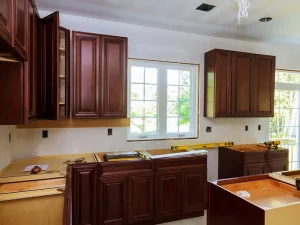
Whether you’re looking for rustic charm or modern elegance, mixing wood and painted cabinets offers plenty of design possibilities. Learn how to combine these two elements in your kitchen with innovative techniques. Before you start painting, scuff sand the surfaces to improve paint adhesion. This will remove any sheen and make it easier to get a smooth finish.

Cabinet

There are few upgrades that make as much impact on your home’s aesthetic as fresh cabinet painting. However, achieving that sleek, flawless finish requires more than just a can of paint and some elbow grease. Professional cabinet painters know the proper preparation, painting techniques, and high-quality products to achieve long-lasting beauty that elevates both your kitchen and your home’s value. Modesto Cabinet Painters instantly modernize your space without the expense and disruption of a full kitchen renovation. In fact, this high-ROI improvement is one of the most popular updates for both bathrooms and kitchens. With a budget-friendly approach and customizable options, it’s easy to see why.

Hiring a professional for your cabinet painting ensures a job well done and a quality finish that resists wear and tear. Experienced cabinet painters understand how different types of material react to different coatings, and they use the right primers and paints for each application. They also know the best color combinations to match your design goals while enhancing lighting, countertop tone, and flooring.

Cabinet painters use commercial-grade spray systems and dustless sanding equipment to eliminate the roller marks, drips, and uneven texture you might expect from a DIY project. They apply each coat with precision to ensure an even, flawless finish. They’ll also provide an array of clear coat options that add a layer of protection against moisture and stains, prolonging the life of your new finish.

Repainting your cabinets yourself can quickly become a labor-intensive, time-consuming, and frustrating project. Not to mention, if you don’t prepare the surface properly or choose the right type of paint for your materials, your cabinet surfaces can chip and peel prematurely. Hiring a professional to tackle the project can save you weeks of work and frustration, allowing you to enjoy your newly refreshed kitchen sooner.

While the allure of brand-new cabinets might be tempting, it’s important to remember that purchasing and installing new cabinetry can require substantial investments in remodeling costs and modifications to plumbing and electrical systems. By contrast, repainting your existing cabinets is a relatively affordable solution that’s simple to accomplish and offers a dramatic transformation.

Paint the Hardware

A fresh coat of paint can make an enormous impact on the look and feel of your kitchen. It can help to brighten up a dark room, create a more contemporary style, or even make your cabinets look bigger. Cabinet painting is one of the most cost-effective and efficient ways to update your kitchen. In addition to being more budget friendly than replacing your cabinets, repainting can be completed in much less time than refacing or replacement.

Refacing is a more expensive option, but it can provide a completely new look without the hassle of installing and removing existing cabinets. Refacing also offers a more durable finish than painted cabinets, which can help to prolong the life of your cabinets.

Combining wood and painted cabinets is an innovative design choice that can offer a wide range of benefits. In this blog post, we will explore 4 of the best techniques for seamlessly blending wood and painted cabinets in your kitchen. We will cover everything from establishing contrast through textures and colors to accentuating excellence through focal points and highlights. So whether you’re looking to achieve a modern rustic style or a classic contemporary aesthetic, read on for tips and inspiration!

The key to a successful combined wood and painted cabinet design is finding the right balance of warmth and coolness. By pairing warm wood tones with cooler painted finishes, you can create a visually appealing and captivating aesthetic that is both classic and contemporary. In this blog post, we will uncover the essential steps to achieving this balance, so you can transform your kitchen with this innovative design technique.

If you’re considering updating your kitchen, it’s important to consider all of the different options available. Choosing the right option will depend on your personal taste and needs, as well as your budget. Ultimately, the decision to stain or paint your cabinets will come down to how you want your kitchen to look and what kind of functionality you need. By taking the time to consider your options and find the solution that’s right for you, you can be sure to end up with a beautiful and functional kitchen that you’ll love for years to come!

Paint the Doors

If your cabinets are in good condition and only need a fresh coat of paint to look brand new, cabinet painting is an affordable kitchen remodeling option that provides dramatic results for a fraction of the cost of replacing them. However, it’s important to consider the longevity of your new paint job before jumping in headfirst and attempting DIY cabinet repainting. It takes time and skill to properly prepare cabinet surfaces for painting, which is a labor-intensive project involving cleaning, lightly sanding, repair, taping and more. Professionals use primers specially formulated for cabinet surfaces to ensure proper adhesion and durability. DIY repainting may be cheaper, but your painted cabinets will chip, crack and scuff much sooner than professionally-refaced ones would.

If you are considering a major kitchen upgrade, cabinet painting can be the perfect bridge to a full remodel or refacing job. It’s a simple improvement that can make your space more functional and visually appealing, while adding value to your home when you decide to sell. It’s also a great way to tide you over between bigger renovations or updates, especially if you haven’t decided on a focal point for your space yet.

Merging wood and painted cabinets is a design opportunity that offers a wealth of creative possibilities. The contrasting elements create a visually captivating impact that instantly grabs attention. Wood cabinets add warmth and natural beauty while painted cabinets offer versatility and a clean, modern aesthetic. By merging the two finishes, you can create a truly unique and captivating kitchen design that stands out from the crowd.

One of the biggest challenges for homeowners when deciding to paint their cabinets is choosing the best color. You have many options, from classic neutrals like white and beige to bolder hues that can bring a sense of drama to the room. The key is to choose a color that complements the wood grain and adds depth and visual appeal to your kitchen. It’s also important to consider the overall look you’re going for in your space, and how the color you choose will coordinate with your appliances, countertops and other décor.

Paint the Drawers

Painting the drawers is a great way to refresh your kitchen’s appearance. By changing the color or even incorporating a fun pattern, you can create a whole new look for your kitchen without the cost of full cabinet replacement. Plus, high-gloss finishes are easy to clean and resistant to fingerprints and scuffing.

Before you consider a DIY paint job, remember that repainting cabinets can be time-consuming and challenging. You’ll have to remove and label everything, sand, tape, prime, and then paint – it takes a lot of work to get the job done right. Also, you’ll need to make sure you have the right paint designed for durability. If you’re not up for the challenge or want a longer-term solution, refacing or replacing is a better option.

Wood cabinets exude warmth and natural beauty, while painted finishes offer versatility and a modern aesthetic. Combining these two elements offers countless design possibilities to create a captivating kitchen. We’ll explore the many ways this technique can be utilized, from contrasting colors and textures to accenting unique details in your kitchen.

Another option is refacing your existing cabinetry, which involves applying a new veneer to the cabinet boxes and replacing the doors and drawer fronts. This is a less labor-intensive process than painting, but it doesn’t allow for structural changes or customizations. And it can still be expensive if you need to replace the entire cabinet box.

One final option is adding pull-out shelves in your base cabinets. This simple upgrade allows you to access items in the back of your cabinets that are often hard to reach. And it gives you the chance to maximize storage without sacrificing floor space.

Updating your cabinets is a great way to boost your kitchen’s value and improve its functionality. But it’s important to choose a professional who knows how to handle the project safely and effectively. Otherwise, you could end up spending more than you originally planned.