Whether you’re looking for rustic charm or modern elegance, mixing wood and painted cabinets offers plenty of design possibilities. Learn how to combine these two elements in your kitchen with innovative techniques. Before you start painting, scuff sand the surfaces to improve paint adhesion. This will remove any sheen and make it easier to get a smooth finish.
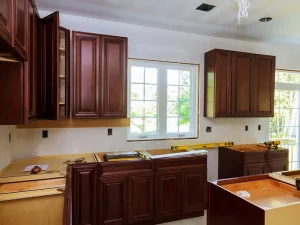
There are few upgrades that make as much impact on your home’s aesthetic as fresh cabinet painting. However, achieving that sleek, flawless finish requires more than just a can of paint and some elbow grease. Professional cabinet painters know the proper preparation, painting techniques, and high-quality products to achieve long-lasting beauty that elevates both your kitchen and your home’s value. Modesto Cabinet Painters instantly modernize your space without the expense and disruption of a full kitchen renovation. In fact, this high-ROI improvement is one of the most popular updates for both bathrooms and kitchens. With a budget-friendly approach and customizable options, it’s easy to see why.
Hiring a professional for your cabinet painting ensures a job well done and a quality finish that resists wear and tear. Experienced cabinet painters understand how different types of material react to different coatings, and they use the right primers and paints for each application. They also know the best color combinations to match your design goals while enhancing lighting, countertop tone, and flooring.
Cabinet painters use commercial-grade spray systems and dustless sanding equipment to eliminate the roller marks, drips, and uneven texture you might expect from a DIY project. They apply each coat with precision to ensure an even, flawless finish. They’ll also provide an array of clear coat options that add a layer of protection against moisture and stains, prolonging the life of your new finish.
Repainting your cabinets yourself can quickly become a labor-intensive, time-consuming, and frustrating project. Not to mention, if you don’t prepare the surface properly or choose the right type of paint for your materials, your cabinet surfaces can chip and peel prematurely. Hiring a professional to tackle the project can save you weeks of work and frustration, allowing you to enjoy your newly refreshed kitchen sooner.
While the allure of brand-new cabinets might be tempting, it’s important to remember that purchasing and installing new cabinetry can require substantial investments in remodeling costs and modifications to plumbing and electrical systems. By contrast, repainting your existing cabinets is a relatively affordable solution that’s simple to accomplish and offers a dramatic transformation.
Paint the Hardware
A fresh coat of paint can make an enormous impact on the look and feel of your kitchen. It can help to brighten up a dark room, create a more contemporary style, or even make your cabinets look bigger. Cabinet painting is one of the most cost-effective and efficient ways to update your kitchen. In addition to being more budget friendly than replacing your cabinets, repainting can be completed in much less time than refacing or replacement.
Refacing is a more expensive option, but it can provide a completely new look without the hassle of installing and removing existing cabinets. Refacing also offers a more durable finish than painted cabinets, which can help to prolong the life of your cabinets.
Combining wood and painted cabinets is an innovative design choice that can offer a wide range of benefits. In this blog post, we will explore 4 of the best techniques for seamlessly blending wood and painted cabinets in your kitchen. We will cover everything from establishing contrast through textures and colors to accentuating excellence through focal points and highlights. So whether you’re looking to achieve a modern rustic style or a classic contemporary aesthetic, read on for tips and inspiration!
The key to a successful combined wood and painted cabinet design is finding the right balance of warmth and coolness. By pairing warm wood tones with cooler painted finishes, you can create a visually appealing and captivating aesthetic that is both classic and contemporary. In this blog post, we will uncover the essential steps to achieving this balance, so you can transform your kitchen with this innovative design technique.
If you’re considering updating your kitchen, it’s important to consider all of the different options available. Choosing the right option will depend on your personal taste and needs, as well as your budget. Ultimately, the decision to stain or paint your cabinets will come down to how you want your kitchen to look and what kind of functionality you need. By taking the time to consider your options and find the solution that’s right for you, you can be sure to end up with a beautiful and functional kitchen that you’ll love for years to come!
Paint the Doors
If your cabinets are in good condition and only need a fresh coat of paint to look brand new, cabinet painting is an affordable kitchen remodeling option that provides dramatic results for a fraction of the cost of replacing them. However, it’s important to consider the longevity of your new paint job before jumping in headfirst and attempting DIY cabinet repainting. It takes time and skill to properly prepare cabinet surfaces for painting, which is a labor-intensive project involving cleaning, lightly sanding, repair, taping and more. Professionals use primers specially formulated for cabinet surfaces to ensure proper adhesion and durability. DIY repainting may be cheaper, but your painted cabinets will chip, crack and scuff much sooner than professionally-refaced ones would.
If you are considering a major kitchen upgrade, cabinet painting can be the perfect bridge to a full remodel or refacing job. It’s a simple improvement that can make your space more functional and visually appealing, while adding value to your home when you decide to sell. It’s also a great way to tide you over between bigger renovations or updates, especially if you haven’t decided on a focal point for your space yet.
Merging wood and painted cabinets is a design opportunity that offers a wealth of creative possibilities. The contrasting elements create a visually captivating impact that instantly grabs attention. Wood cabinets add warmth and natural beauty while painted cabinets offer versatility and a clean, modern aesthetic. By merging the two finishes, you can create a truly unique and captivating kitchen design that stands out from the crowd.
One of the biggest challenges for homeowners when deciding to paint their cabinets is choosing the best color. You have many options, from classic neutrals like white and beige to bolder hues that can bring a sense of drama to the room. The key is to choose a color that complements the wood grain and adds depth and visual appeal to your kitchen. It’s also important to consider the overall look you’re going for in your space, and how the color you choose will coordinate with your appliances, countertops and other décor.
Paint the Drawers
Painting the drawers is a great way to refresh your kitchen’s appearance. By changing the color or even incorporating a fun pattern, you can create a whole new look for your kitchen without the cost of full cabinet replacement. Plus, high-gloss finishes are easy to clean and resistant to fingerprints and scuffing.
Before you consider a DIY paint job, remember that repainting cabinets can be time-consuming and challenging. You’ll have to remove and label everything, sand, tape, prime, and then paint – it takes a lot of work to get the job done right. Also, you’ll need to make sure you have the right paint designed for durability. If you’re not up for the challenge or want a longer-term solution, refacing or replacing is a better option.
Wood cabinets exude warmth and natural beauty, while painted finishes offer versatility and a modern aesthetic. Combining these two elements offers countless design possibilities to create a captivating kitchen. We’ll explore the many ways this technique can be utilized, from contrasting colors and textures to accenting unique details in your kitchen.
Another option is refacing your existing cabinetry, which involves applying a new veneer to the cabinet boxes and replacing the doors and drawer fronts. This is a less labor-intensive process than painting, but it doesn’t allow for structural changes or customizations. And it can still be expensive if you need to replace the entire cabinet box.
One final option is adding pull-out shelves in your base cabinets. This simple upgrade allows you to access items in the back of your cabinets that are often hard to reach. And it gives you the chance to maximize storage without sacrificing floor space.
Updating your cabinets is a great way to boost your kitchen’s value and improve its functionality. But it’s important to choose a professional who knows how to handle the project safely and effectively. Otherwise, you could end up spending more than you originally planned.