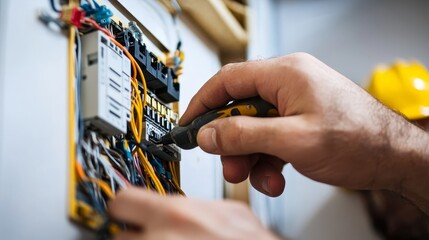
Rewiring your house can improve its safety and boost its value. However, it’s a major project with a significant timeline.
How long does it take for power to be restored after a storm or disaster? Utility companies follow a specific process to restore electricity as quickly as possible. They start by assessing damage to power lines and substations and then prioritize hospitals and other critical facilities. Visit https://www.nashelectricnc.com/ to learn more.
Power Outages
Many people have a difficult time understanding why it takes so long to get power back after a power outage. It’s important to remember that there are regulations, steps, and safety procedures that must be followed. It also takes time to diagnose the problem and determine what needs to be done to fix it.
The first thing that needs to be done is to isolate the affected area. This is accomplished by manually opening the surrounding “switches” to turn off power in that area. This process can take anywhere from half an hour up to several hours. Once the utility crew has isolated the area, they can begin the repair process.
Sometimes it’s obvious what the issue is and it can be fixed pretty quickly. For example, if the outage is caused by a fallen tree branch then simply clearing it and getting power back on should be fairly easy. However, if the outage is caused by an infrastructure issue or severe weather then it can be much more complicated.
A power company has to be incredibly careful when restoring power. They must follow strict regulations set forth by the government in order to ensure that they are doing everything safely and correctly. This is why it can take so long to restore power after a storm.
In addition, if a whole section of the grid is out, then it can take much longer to get power back on than if just one or two lines go out. It’s important to keep in mind that there are often other problems out there that need to be addressed before it is safe to start bringing power back on.
As a result, it can be frustrating to be without power for an extended period of time. It is important to stay connected with neighbors and to check outage maps from your local power company. It’s also a good idea to have backup supplies such as portable power stations and generators on hand so that you can get through these situations. Finally, it’s important to unplug major appliances and electronics in order to protect them from damage during a power outage.
Power Restoration
The amount of time that a power outage lasts depends on the cause. Some disturbances can be resolved in just a few minutes, while others require hours of work to fix. Severe storms, multiple equipment failures, and widespread grid damage can lead to outages that last days or even weeks.
Before utility workers can restore power, they must first determine what the problem is and where it is. This process can take up to an hour or more for experienced crews. Diagnosing issues involving downed wires or trees can be particularly challenging. This is why it’s important to keep backup power supplies on hand for emergencies.
After assessing the situation, electricity providers will prioritize restoring power to hospitals, emergency services, water treatment plants, and other critical infrastructure. Once these facilities are back online, crews can focus on restoring power to individual homes and businesses. The closer you are to transmission lines, the quicker your power will be restored. Once the main system is fully repaired, crews will test it for safety and reliability. This process can take anywhere from a few hours to several days in extreme cases. The best way to prepare for power outages is to stay informed by checking outage maps from your utility company.
Rewiring
Rewiring is the process of replacing or upgrading existing wiring. Whether it’s just changing sockets and switches, or a complete house rewire, a qualified electrician will ensure the electrical system meets current regulations and works at maximum efficiency.
How long the rewiring will take depends on several factors, such as the size of your home and the complexity of its systems. A well-planned project can reduce the time required to complete a full house rewire. But unforeseen challenges can still add days to the timeline.
Before starting the rewiring, a qualified electrician will inspect your electrical system to determine the best way to proceed. He will then turn off your power and carefully remove all the old cables, using safe methods that avoid damaging your walls or flooring. This can involve lifting floorboards, chasing walls, and accessing loft spaces.
Once all the old cables have been removed, new cables will be laid in their place and joined to the existing circuits. Once the new connections are made, your electrical system will be tested and certified as safe. Once the rewiring is completed, your electrician will reconnect your appliances and switches. You can expect to enjoy a safer, more efficient, and modern electrical system for years to come.
Outdated wiring is one of the leading causes of house fires, and rewiring is essential for keeping your family safe. It can also improve the value of your property if you decide to sell in the future.
If you have any concerns about your electrical system, it’s important to contact a licensed electrician right away. An experienced professional will provide code-compliant, hazard-free repairs and installations in no time. By taking the time to find a reliable electrician, you can rest assured that your safety and peace of mind are protected. If you’re looking for a trusted electrician in Bowersville, consider JN Electrical. They’ve helped many homeowners with their electrical needs and offer services that meet or exceed industry standards. They can even help you save on your energy bills with lighting and appliance upgrades. To learn more, check out their website.
Circuit Breaker Panel Replacement
If your breaker panel is old and outdated, it may be time to upgrade. A faulty breaker panel can cause problems with your appliances and other electrical devices, including frequent tripping and power surges. If the problem is too severe to be fixed with repairs, you should have the panel replaced. This process can take several hours to complete, depending on the complexity of the job and whether additional upgrades are necessary.
The cost of a new panel depends on the type and size of your home. A new 100-amp panel typically costs $500-$2,100, while a 200-amp one is about $1,300. The amount of power your household uses also determines the best capacity for your new breaker panel. Your electrician will recommend the best panel for your home based on your current and future electricity needs.
Your breaker panel is the central hub that regulates your home’s energy flow and controls its distribution to circuits and appliances. It’s essential to have the right sized panel for your home, as too little or too much power can be dangerous.
A faulty breaker panel can lead to overheating, high electricity bills, and even fire eruption. Signs that your breaker box is nearing its end of life include rust or corrosion, outdated wiring, and frequent tripping. If you notice any of these signs, contact a licensed electrician to replace the panel.
During the replacement, your electrician will disconnect all power to the breaker box and remove it from the wall. They’ll then install a new electrical panel and connect it to your electrical system, which includes organizing and labeling all the breakers to match your home’s layout. Finally, they’ll test the new breaker panel and make any necessary adjustments to ensure it meets safety standards.
You can reduce the overall cost by bundling tasks with your electrician and preparing the work area before they arrive. This can help you save money by handling associated jobs like installing outlets and wiring new additions, and reducing the overall hourly rate. A reputable electrician will provide an estimate upfront before starting the work.