Pest control pricing depends on the type of infestation and its severity. For example, a termite fumigation costs much more than a one-time treatment for carpenter ants.
Clients want service options tailored to their specific needs. Understanding the four main factors that affect price helps you build versatile services packages and earn client loyalty. Contact Pest Control Stuart for more details.
Labor
There are many factors that can affect pest control pricing, from infestation type to the method used for treatment. While basic treatments like sprays and bait stations are fairly straightforward, other services require more extensive work — and thus higher labor costs. For example, termite exclusion is a more time-intensive service than an average pest inspection, as it requires removing and sealing wood materials to keep the termites at bay.
Infestation size also plays a role in pest control prices. In general, larger properties are more expensive to treat than smaller ones because of the increased amount of space to cover during the pest management process. For instance, treating a 3,000-square-foot home for termites will cost more than a 1,200-square-foot apartment because the treatment area is much bigger.
Lastly, property layout and accessibility can impact pest control prices. For example, older buildings and hidden voids in walls can make it more difficult to reach areas for treatment. This makes pests more likely to return, so a pest specialist might spend more time addressing issues like attics and crawl spaces in future visits.
Some pest control companies charge a flat fee to inspect and provide recommendations for a specific problem. Others charge per visit, which can be beneficial if the client wants ongoing service to prevent recurrences. In addition to regular inspections, ongoing pest control services can include recurring treatments like sprays and bait stations to keep common pests such as ants, spiders, and bees at bay. These services can be more affordable than a one-time treatment. They’re especially important for businesses that need to pass health inspections and avoid re-infestation of customers. For example, a restaurant that fails to address roaches could incur costly fines in the future.
Insecticides
Insecticides are used to kill or reduce the number of insects that damage crops. They can also prevent pests from spreading diseases to humans or other animals. There are many different insecticides, and each one has its own method of action. Some kill the insects directly, while others interfere with the nervous system of the insects.
Contact insecticides penetrate the skin of the pest and cause immediate toxic effects. These insecticides generally have little to no residual activity and may contain natural or synthetic organic compounds. Some examples of contact insecticides include pyrethrins, chrysanthines, neem oils, and permethrins.
Organophosphate insecticides interfere with the transmission of nerve impulses between neurons. They block the actions of acetylcholinesterase, a key enzyme in the insect nervous system. This causes a buildup of acetylcholine at neuromuscular junctions, resulting in rapid twitching of the muscles and ultimately paralysis. Organophosphates are effective against a broad spectrum of insects including sucking insects, thrips, and mites.
Pyrazoles act as non-systemic, stomach miticides with fast knockdown and moderate residual activity. They are effective against many sucking insects and thrips, including cotton, tobacco, soybeans, vegetables, and citrus. They are also ovicidal against mites.
Carbamates are derived from carbamic acid and affect the nervous systems of insects. They inhibit the acetylcholinesterase enzyme, causing a buildup of the neurotransmitter in the insect nervous system leading to paralysis and death.
Insecticides can enter surface waters as a result of agricultural, silvicultural and urban land uses. Insecticides can also leach into groundwater. The primary source of these chemicals in streams is through direct discharges from wastewater treatment plants, other industrial sites and insecticide manufacturing facilities. Insecticides can also be introduced to streams through spray drift during application (especially aerial applications), spills, and from leakage of storage tanks.
Chemicals
A pest infestation can damage a home or business, and the resulting cleanup and repairs can be expensive. Persistent pest problems can also cause stress and loss of income for homeowners, and put people and pets at risk of injury or illness. Some pests, such as termites and bed bugs, can even be life-threatening.
The type and severity of the pest infestation will affect treatment costs. For example, a single wasp nest or rodent problem might be treated for under $150, while a termite fumigation of an entire house can cost up to $9,000.
Chemical treatments are typically the most expensive, but there are alternatives that reduce or eliminate the need for chemical use, such as predatory organisms and parasitic plants. For instance, pyrethrin insecticides (derived from chrysanthemum flowers) can be used as an alternative to toxic chemicals for eliminating ants and other common household pests.
The geographic location and local economic conditions, as well as regional pest activity, can also influence pest control prices. For example, termite treatment in the Midwest can be more costly than in other regions because of a higher incidence of the pest and the need for specialized materials and equipment. Similarly, a wildlife infestation in an urban area may be more challenging to resolve and require repeated follow-up treatments than a suburban infestation of mice or cockroaches.
Equipment
Several types of equipment are required for pest control, from hand sprayers to bait guns to foggers. Choosing the right tools for each job is essential to get the best results. Sprayers, for example, are the most familiar piece of equipment: They’re used to apply liquid pesticides over surfaces. A technician can adjust the pressure, nozzle type, and spray pattern based on the pest and location.
Fogging equipment, which includes thermal and ULV (Ultra Low Volume) models, is another crucial piece of equipment. These machines convert pesticide solutions into a fine mist or fog that can penetrate and cover large areas quickly. They’re ideal for tackling nooks and crannies where a traditional spray may not reach.
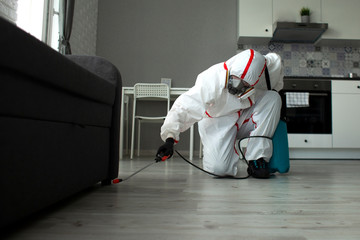
A pest control technician’s gear also includes safety supplies, such as ear protection and coveralls (Tyvek suits). These items are necessary to protect workers from the chemicals they use, as well as their environment. These items add to the overall labor cost of a pest control job.
Finally, a pest control company’s fleet of vehicles adds to the costs associated with each job. A vehicle wrap with a logo or business name helps brand the company and attract more customers. The cost of a wrap can range from $500 to $3,000 or more.
As you can see, pest control prices vary significantly. While some of the main factors like infestation type, treatment method, and home size are common across most jobs, there are still a number of unique variables that can drive prices up or down. Having an understanding of these elements can help you predict and budget for the costs of your next pest control service. With a little knowledge, you’ll be able to avoid surprise add-ons and get the best value for your money.
Insurance
Some pest control companies charge an inspection fee, usually around $150, though this can be waived or deducted from the final bill if you go ahead with treatment. Others may have a flat rate for each service, like termite or bed bug treatments. Ask what’s included so you don’t end up with hidden extra charges.
You’ll also need to factor in any damage caused by the pests. For example, a serious termite infestation can require expensive drywall and flooring repair, along with the cost of replacing any tainted personal belongings. If you have a multi-unit building, you might also need to pay for pest control in adjacent units or common areas.
The best value is often a clear plan that includes inspection, targeted treatment, follow-up visits, and prevention (like door sweeps and sealing entry points). Avoid cheap “one-and-done spray” plans that usually lead to re-infestations and repeat bills. Talk to your pest control pros about what’s included in their quotes so you don’t end up with a surprise. Ask about guarantees and warranties too.