Every system that works silently beneath us deserves attention. Septic pumping may not be glamorous, but it keeps modern life functional. The process safeguards sanitation, health, and the environment. It is the quiet guardian of clean living.
Septic systems work like living organisms beneath the ground. They digest waste, filter water, and balance ecosystems around them. But even the most efficient systems need maintenance. That’s where septic pumping becomes vital to the cycle. Visit Website to learn more.
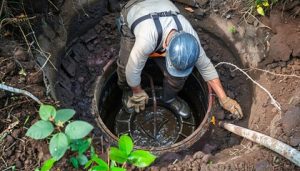
Many people overlook what happens after flushing the toilet. Waste disappears, but its journey continues underground. The septic tank collects, separates, and treats it naturally. Without proper pumping, this process slowly breaks down.
Septic pumping is not just about removing sludge. It restores the biological balance of the system. Too much accumulation leads to clogs and leaks. Pumping acts as a reset, preventing both mechanical and environmental failure.
Modern septic pumping has evolved with technology. Vacuum systems and sensors now make the process faster and safer. The goal is no longer just waste removal but sustainability. Efficiency now meets environmental responsibility.
Neglecting septic maintenance creates hidden dangers. Overflow can contaminate groundwater and nearby soil. Such pollution spreads silently, harming both people and wildlife. Septic pumping prevents these invisible disasters.
The process begins with careful assessment. Technicians inspect sludge levels, tank integrity, and flow patterns. The pumping then removes solids without disturbing natural bacteria. A balance between cleaning and conservation defines success.
Today’s septic pumping also focuses on resource recovery. Some facilities recycle biosolids for renewable energy or agriculture. Waste becomes part of a circular system that benefits communities. It transforms disposal into sustainable innovation.
A septic tank tells stories about household habits. The type and frequency of waste reveal how systems adapt. Regular pumping helps professionals detect problems early. Prevention always costs less than emergency repair.
Seasonal factors also affect septic health. Heavy rains, droughts, and temperature changes impact treatment efficiency. Septic pumping schedules often align with these natural shifts. The earth and the system dance in quiet coordination.
Education plays a key role in maintaining healthy systems. Homeowners who understand the purpose of septic pumping make better decisions. Awareness turns routine service into environmental stewardship. Knowledge truly keeps systems alive.
Grease, chemicals, and plastics pose silent threats to septic balance. These materials disrupt bacterial digestion and reduce system life. Septic pumping clears these foreign elements from the tank. The process becomes an act of protection, not just cleaning.
Urbanization increases the pressure on wastewater infrastructure. As communities expand, more properties rely on septic solutions. Pumping services adapt with scalable tools and smart monitoring. The future of sanitation lies in precision management.
Septic pumping also reflects social responsibility. Proper maintenance prevents contamination that affects neighbors and communities. Clean systems mean clean surroundings. Sanitation begins at home, but benefits everyone.
The environmental impact of neglected systems can be severe. Leaks introduce harmful bacteria into soil and water bodies. Septic pumping eliminates this risk before it spreads. A single service can prevent large-scale ecological damage.
Some modern systems integrate digital monitoring for early alerts. Sensors detect fluid levels and bacterial activity in real time. Septic pumping then occurs based on data, not guesswork. Technology adds intelligence to ancient sanitation methods.
The economic side of septic care also deserves mention. Regular pumping prevents costly repairs and system replacements. It extends the life of underground infrastructure significantly. In essence, maintenance is a long-term investment in stability.
Odor control is another subtle benefit. Unpumped systems often release unpleasant smells through drains and vents. Septic pumping refreshes the entire environment by clearing trapped gases. Fresh air is a sign of a healthy system below.
Community-scale pumping programs show the power of collaboration. When entire neighborhoods synchronize their maintenance schedules, efficiency rises. Shared services reduce costs and waste. Clean systems become symbols of collective discipline.
The process itself requires precision and expertise. Technicians must identify the right pumping frequency and method. Over-pumping can disrupt biological balance, while under-pumping risks overflow. The science of septic care lies in timing.
Septic pumping also supports groundwater protection. Tanks that overflow release nitrates into nearby wells and rivers. Proper maintenance creates an invisible barrier against contamination. It’s environmental defense at a microscopic level.
In rural and remote areas, septic systems replace large-scale sewage networks. Pumping services there serve as lifelines for entire communities. These areas depend on consistent care to stay safe. Sanitation is a shared commitment, not a luxury.
The sludge removed during pumping can become a resource with treatment. Modern facilities transform it into compost, biogas, or fertilizer. What was once waste becomes useful again. Septic pumping therefore, closes the loop of sustainability.
Design innovation is also transforming septic technology. New tanks separate solids more efficiently, requiring fewer pump-outs. Sensors measure sludge thickness to optimize timing. Septic pumping now combines tradition with digital precision.
Pumping frequency depends on household habits. Larger families or heavy water usage accelerate waste buildup. Professionals analyze flow rate, system size, and usage behavior. Personalized schedules ensure the system’s longevity.
The awareness around septic pumping is growing globally. Environmental campaigns highlight how neglect leads to pollution. People are now viewing sanitation as an ecological responsibility. Every pump-out becomes a step toward a cleaner world.
Septic pumping companies often train their teams in environmental safety. The goal is not just efficiency but eco-conscious disposal. Professionals treat waste with care to prevent secondary contamination. This ethical approach redefines modern sanitation.
During the pumping process, operators often inspect for cracks or leaks. These small checks prevent future collapses and soil infiltration. Septic pumping thus doubles as preventive diagnostics. It is maintenance and monitoring rolled into one.
Even the sound of a pump truck represents sustainability in motion. It’s the hum of prevention, the rhythm of cleanliness. Each cycle removes potential hazards before they spread. The unseen becomes the unsung hero of hygiene.
Public education about septic systems remains crucial. Misconceptions often lead to neglect or improper maintenance. Awareness campaigns now include schools and local communities. Understanding sanitation builds healthier futures.
Some modern systems even integrate eco-bacteria after pumping. These biological enhancers restore the natural breakdown process. They ensure that the tank continues working efficiently after cleaning. Science and nature cooperate underground.
Septic pumping also adapts to environmental regulations. Waste management standards require safe transportation and disposal. Compliance ensures both public health and ecological balance. The process upholds both safety and sustainability.
Rising environmental awareness has made septic pumping part of the green movement. People see it as a form of environmental activism at home. Keeping a tank clean means keeping the planet safe. Sanitation becomes a moral responsibility.
Technology continues to revolutionize the industry. Drones, sensors, and AI now assist in site assessment and leak detection. These tools minimize disruption and increase accuracy. Septic pumping is entering a digital age of precision.
The global sanitation challenge also depends on local solutions. Septic systems remain essential where centralized networks are absent. Pumping services bring equality in hygiene access. Clean water and clean soil begin with clean tanks.
Emergency septic pumping shows how vital response time can be. Floods or sudden blockages require immediate intervention. Professionals trained for quick action prevent massive contamination. Rapid pumping restores safety and stability.
Even aesthetics benefit from regular maintenance. Overflowing systems damage lawns, gardens, and outdoor structures. Septic pumping keeps properties clean, functional, and odor-free. Beauty and hygiene coexist when care is consistent.
The connection between human health and septic systems is undeniable. Contaminated groundwater spreads disease silently. Pumping prevents pathogens from reaching drinking sources. It is one of the most effective public health safeguards.
Climate change adds new challenges to septic management. Rising water tables and unpredictable weather affect tank performance. Septic pumping schedules adjust accordingly to reduce risk. Adaptability ensures resilience under shifting conditions.
The future of septic care is automation combined with awareness. Smart systems will notify owners before problems arise. Remote monitoring will make maintenance effortless. The harmony between human and machine defines progress.
Innovation also means redesigning waste treatment for minimal environmental impact. Eco-friendly trucks reduce emissions during pumping. Energy-efficient methods lower carbon footprints. Even sanitation can go green through mindful engineering.
Septic pumping reflects how technology and ecology can coexist. It embodies the principle of responsibility beneath convenience. Clean systems mirror clean societies. The quiet act of pumping sustains the rhythm of modern life.
Every household becomes part of a larger environmental chain. Each tank connects to groundwater, soil, and air quality. Septic pumping ensures these links remain healthy and safe. It turns private maintenance into collective preservation.
In the end, septic pumping is not just a technical procedure. It’s an essential rhythm that keeps sanitation flowing. It protects health, preserves the planet, and promotes sustainability. What lies underground sustains life above.